
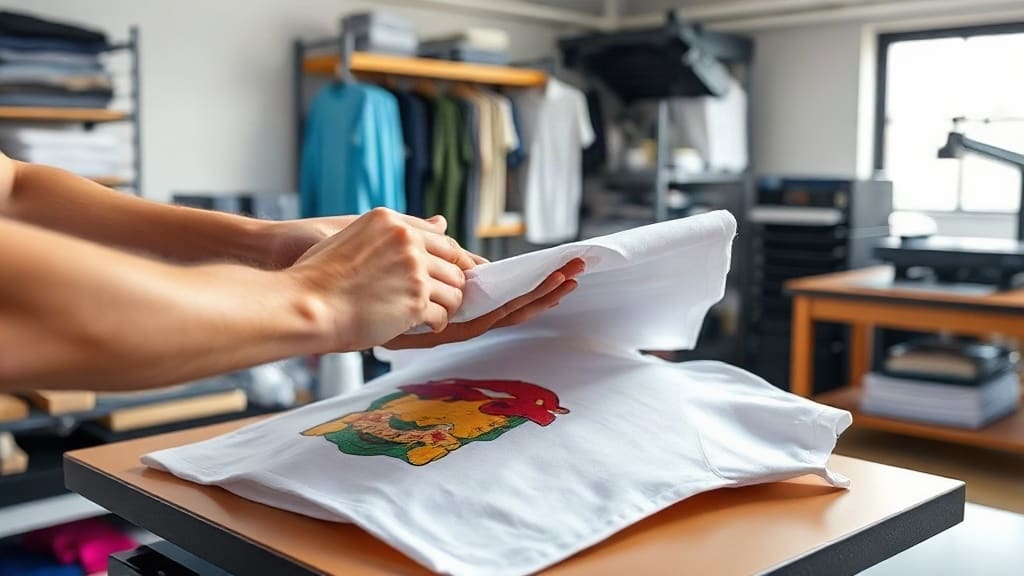
If you're in the custom apparel business or just love making your own t-shirts, you've probably heard about DTF transfers. DTF, or Direct to Film, is a printing method that has taken the industry by storm. Unlike traditional heat transfer vinyl, DTF offers vibrant colors, soft hand feel, and incredible durability. Whether you're a hobbyist or a professional printer, understanding DTF transfers can open up a world of possibilities. In this comprehensive guide, we'll dive deep into what DTF transfers are, how to use them, and how to find the best DTF transfers near me for your projects.
What Are DTF Transfers?
DTF transfers are printed designs on a special film that can be transferred onto fabric using heat and pressure. The process involves printing a design with a specialized printer onto a PET film, applying adhesive powder, and then curing it. When you heat press the film onto a garment, the adhesive melts and bonds the design to the fabric, leaving a soft, stretchy print that doesn't crack or fade easily.
One of the biggest advantages of DTF is its versatility. You can apply DTF transfers to a wide range of materials, including cotton, polyester, blends, and even leather. This makes it a favorite among custom apparel makers who want to offer diverse products without investing in multiple printing technologies.
Why Choose DTF Transfers Over Other Methods?
Compared to screen printing and vinyl, DTF offers several unique benefits. Screen printing is cost-effective only for large orders, while DTF is perfect for small batches and even single items. Vinyl is limited to solid colors and simple designs, whereas DTF can reproduce intricate, full-color artwork with gradients and details.
DTF transfers also have a softer feel on the fabric. The prints are embedded into the garment rather than sitting on top, which makes them more comfortable to wear. Additionally, DTF prints are known for their exceptional washability. They can withstand repeated washing without losing color or cracking, which is a common complaint with other methods.
How to Use DTF Transfers: Step-by-Step
Using DTF transfers is straightforward, but there are some key steps to ensure a perfect result every time.
What You Need
- A heat press (or a home iron, but a press is recommended)
- A DTF transfer (obviously)
- A garment (pre-washed to remove any residue)
- A silicone sheet or non-stick paper (to protect the transfer)
Step 1: Pre-Press the Garment
Before applying the transfer, pre-press your garment for a few seconds to remove moisture and wrinkles. This ensures a clean, smooth surface for the transfer.
Step 2: Position the Transfer
Place the DTF transfer with the film side up on the desired area of the garment. Make sure it's straight and centered.
Step 3: Apply Heat and Pressure
Set your heat press to the recommended temperature (usually around 320°F to 340°F or 160°C to 170°C). Press down with medium to firm pressure for 10 to 15 seconds. The exact time may vary depending on the transfer manufacturer, so always check the instructions that come with your DTF transfers.
Step 4: Peel the Film
After pressing, let the transfer cool for a few seconds, then peel off the film. Some DTF transfers are hot-peel, while others are cold-peel. If you're not sure, do a test on a scrap piece of fabric first. Usually, a smooth, slow peel works best.
Step 5: Final Press (Optional)
To ensure maximum durability, you can do a quick final press with a protective sheet (like a Teflon sheet) over the design for 3 to 5 seconds. This helps seal the adhesive and makes the print even more resilient.
Tips for Getting the Best Results
While the process seems simple, there are a few tricks to get professional-looking prints.
- Use high-quality transfers from a reputable source. Cheap transfers might have poor adhesive or low-quality ink.
- Choose the right heat settings. Too hot can cause the film to melt, and too cold won't activate the adhesive properly.
- Use a cover sheet when pressing to prevent any unwanted shine or scorching on the film.
- Let the garment cool completely before wearing or washing.
- Always do a test press first, especially when using a new batch of transfers or a different fabric.
How to Find DTF Transfers Near Me
Now that you know how to use them, the next step is finding a reliable supplier. When you search for "DTF transfers near me," you might be looking for a local shop where you can buy transfers in person or a company that ships quickly. Here are some tips to find the best options.
Online vs. Local: Pros and Cons
Local suppliers offer the advantage of seeing the product before buying and perhaps getting same-day service. However, their selection might be limited, and prices could be higher due to overhead costs. Online suppliers often have a wider variety of designs, competitive pricing, and the convenience of ordering from home. Many also offer custom DTF services where you can send your own artwork.
To find local DTF transfer providers, you can search online directories, check social media groups for local print shops, or even ask at your nearest craft store. Many small businesses offer DTF transfers as a service, and they might be happy to help you.
Questions to Ask a Potential Supplier
When evaluating a supplier, whether local or online, consider asking these questions:
- What is the turnaround time?
- Can you provide samples of previous work?
- What is the minimum order quantity?
- Do you offer custom sizes and designs?
- What is your return policy?
- What is the price per transfer, and are there any hidden fees?
Custom DTF Transfers: What to Know
If you want to create your own designs, custom DTF transfers are the way to go. You can either purchase DTF printing equipment and make your own transfers or order them from a service.
Making Your Own DTF Transfers
Creating your own DTF transfers requires a DTF printer, which is based on a modified inkjet printer that uses specific DTF inks. You'll also need a powder adhesive machine to apply the adhesive powder and a curing oven or heat press to melt the powder. This setup can be a significant investment, so it's only worthwhile if you have high volume production needs.
If you're just starting, ordering custom transfers from a professional service is more cost-effective. You don't have to worry about the initial equipment cost, and you can get high-quality results without the learning curve.
Ordering Custom DTF Transfers
When ordering custom transfers, you'll typically upload your design file. Make sure your file is in the correct format (usually PNG with transparent background) and at a high resolution (at least 300 DPI). The supplier will handle the printing and cutting. Always order a sample before committing to a large batch to check the quality.
Common Mistakes to Avoid with DTF Transfers
Even experienced crafters can make mistakes. Here are some pitfalls to avoid:
- Using too much pressure: This can cause the adhesive to bleed out or the design to distort.
- Peeling too quickly: This can pull off some of the design if it's not fully adhered.
- Not pre-pressing the garment: This can lead to wrinkles or moisture affecting the transfer.
- Washing the garment too soon: Wait at least 24 hours before washing to let the adhesive fully cure.
- Stretching the fabric while pressing: This can cause the design to crack when the fabric returns to its original shape.
FAQs About DTF Transfers
Can DTF transfers be used on dark fabrics?
Yes, DTF transfers work great on dark fabrics. Unlike some other methods that require a white base layer, DTF transfers include a white ink layer that provides opacity, so the design pops on any color.
How many washes do DTF transfers last?
With proper care, DTF transfers can last for 50 or more washes without significant fading or cracking. To extend their life, wash garments inside out in cold water and avoid using bleach or fabric softeners.
Are DTF transfers eco-friendly?
DTF printing uses water-based inks, which are less harmful to the environment than some other types of inks. However, the film used is plastic, and the adhesive powder contains chemicals. Many manufacturers are working on more sustainable options, but currently, DTF is not 100% eco-friendly.
Can I use DTF transfers with a home iron?
Yes, you can use a home iron, but it's more challenging to get consistent pressure and temperature. If you're using a regular iron, set it to the highest heat setting without steam and press firmly for at least 20 seconds. However, for best results, a heat press is strongly recommended.
What is the difference between DTF and sublimation?
Sublimation requires polyester fabrics and white backgrounds because it uses heat to turn dye into gas that bonds with the fibers. In contrast, DTF can be used on a variety of fabrics, including cotton, and doesn't require a white base.
Conclusion
DTF transfers are a game changer in the custom printing world. They offer flexibility, durability, and vibrant results that are hard to beat. Whether you're looking to start a small business or want to create personalized gifts, understanding how to buy and use DTF transfers will set you up for success. Remember to choose a reliable supplier, follow the application instructions carefully, and experiment with different fabrics to see the amazing results you can achieve. So why wait? Start exploring your options for DTF transfers today and take your projects to the next level.