
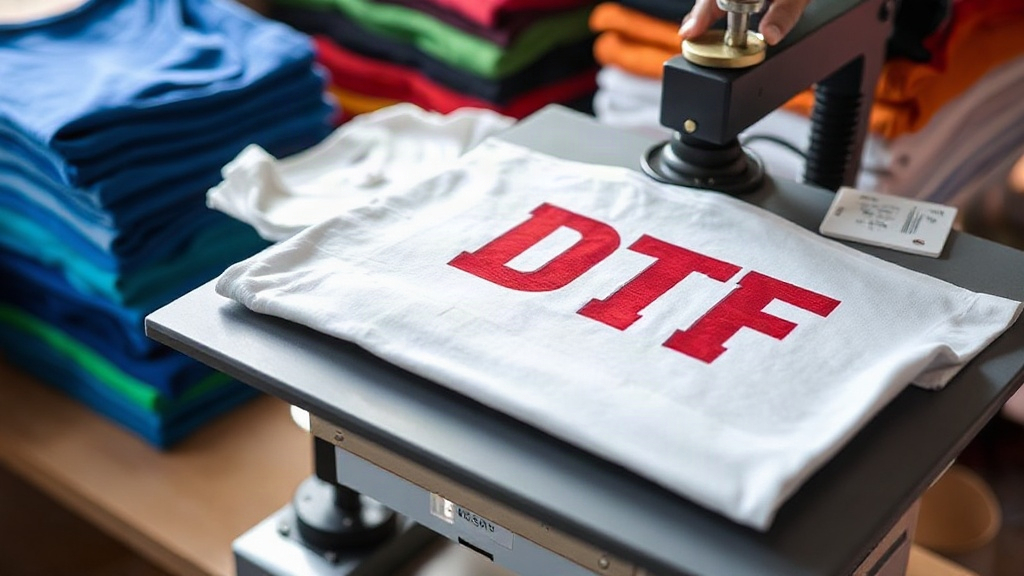
When you first dive into garment printing, the options can feel overwhelming. You might have heard about DTF transfers as a game-changer for small businesses and hobbyists alike. But the secret to a stunning final product isn't just the transfer itself; it's the blank canvas you choose. In this guide, we'll walk through everything you need to know about pairing DTF transfers with the right blank apparel, including popular choices like Shaka Wear and Smart Blanks. Whether you're printing for a client or creating your own merch, these insights will help you avoid common pitfalls and achieve professional results.
What Are DTF Transfers and Why They Matter
DTF stands for Direct to Film. It's a printing method where your design is printed onto a special film, coated with adhesive powder, and then heat-pressed onto fabric. Unlike DTG or screen printing, DTF works on almost any fabric, including cotton, polyester, and blends. The transfers are flexible, durable, and can capture fine details and vibrant colors. For small businesses, DTF offers a low-cost entry point because you don't need expensive equipment or minimum orders. You can print one-off designs or small batches without breaking the bank.
Choosing the Right Blank Tee for DTF Transfers
Not all blanks are created equal. The fabric content, weight, and weave all affect how well your DTF transfers adhere and how long they last. Here's what to consider:
- Fabric Content: 100% cotton is the most common and works well with DTF, but polyester and blends also perform nicely. However, high polyester content may require lower pressing temperatures to avoid scorching.
- Fabric Weight: Heavier fabrics (like 5.5 oz and up) tend to be more durable and provide a better surface for the transfer. Lighter fabrics may feel softer but can be more prone to wrinkles during pressing.
- Color: DTF transfers can be printed with a white underbase, so they show up well on dark colors. But for the brightest results, consider the base color of the shirt.
- Weave and Texture: Smooth, tight weaves give the best adhesion. Rough or highly textured fabrics may require extra pressure or a longer press time.
Shaka Wear: A Favorite Among Printers
Shaka Wear has gained a strong following in the printing community for its consistent quality and comfortable fit. Their tees are known for being true to size and holding up well after multiple washes. The fabric is typically 100% cotton, which is ideal for DTF. Many printers appreciate that Shaka Wear blanks have a smooth surface that allows the transfer to sit flat without bubbling. If you're looking for a reliable blank that won't break the bank, Shaka Wear is a solid choice. Just be sure to check the specific style, as some may have a slightly different fabric blend.
Smart Blanks: Affordable and Versatile
Another popular option is Smart Blanks. These blanks are often chosen for their affordability and wide range of colors. They come in various styles, from basic tees to hoodies. Smart Blanks are generally made from cotton or cotton-poly blends, which work well with DTF. However, some users note that the sizing can be inconsistent, so it's wise to order a sample first. The key advantage of Smart Blanks is the cost-effectiveness for bulk orders, making them a great fit for large events or promotional giveaways.
Step-by-Step: Applying DTF Transfers to Your Blank Tee
Now that you've chosen your blank, let's go through the application process. Proper technique ensures a long-lasting print.
- Pre-press the garment: This removes moisture and wrinkles. Set your heat press to around 300°F (150°C) and press for 5-10 seconds.
- Position the transfer: Place the DTF transfer onto the shirt with the design facing up. The adhesive side should be against the fabric.
- Press: Cover with a Teflon sheet or parchment paper. Press at 300-325°F (150-160°C) for 10-15 seconds with medium to heavy pressure.
- Peel: Wait for the transfer to cool completely (cold peel) or peel while warm (hot peel) depending on the film instructions. Most DTF transfers are cold peel.
- Post-press: For extra durability, press again for 5-10 seconds with a cover sheet.
Always follow the specific instructions from your transfer supplier, as formulations can vary.
Common Issues and How to Fix Them
Even with the best materials, things can go wrong. Here are some frequent problems and solutions:
- Transfer not sticking: Ensure enough pressure and correct temperature. Pre-press the garment to remove moisture.
- Cracking or peeling after wash: This often happens if the transfer wasn't pressed long enough or if the fabric has a high polyester content that requires lower temperature. Try increasing press time slightly.
- Color fading: Use a quality transfer and follow washing instructions: turn inside out, cold wash, no bleach, tumble dry low.
Comparing Shaka Wear and Smart Blanks for DTF
Both Shaka Wear and Smart Blanks have their strengths. Here's a quick comparison to help you decide:
- Quality: Shaka Wear tends to have more consistent sizing and a softer feel. Smart Blanks are budget-friendly but may vary slightly.
- Price: Smart Blanks are generally cheaper, making them ideal for large orders where cost is a concern. Shaka Wear is mid-range but offers better value for premium projects.
- Availability: Both are widely available, but check with your local distributor or online supplier for stock.
- DTF Compatibility: Both work well with DTF, but always test a sample first.
Washing and Care Tips for DTF-Printed Apparel
To keep your prints looking fresh, advise your customers to:
- Wait 24 hours before washing.
- Turn the garment inside out.
- Machine wash cold with mild detergent.
- Avoid fabric softener and bleach.
- Tumble dry low or hang dry.
- Do not iron directly on the print.
Frequently Asked Questions
Can I use DTF transfers on 100% polyester shirts?
Yes, DTF works on polyester, but you'll need to lower the press temperature to around 280-300°F to prevent scorching. Always test a small area first.
How do I choose between Shaka Wear and Smart Blanks for my DTF project?
If you prioritize consistent quality and comfort, go with Shaka Wear. If you're on a tight budget and need bulk quantities, Smart Blanks is a great alternative. Order samples from both to see which works best for your specific designs.
What is the best way to store unused DTF transfers?
Keep them in a cool, dry place away from direct sunlight. Store them flat or in a protective sleeve to prevent dust and creases.
Do I need a special heat press for DTF transfers?
Any heat press that can maintain consistent temperature and pressure will work. A clamshell or swing-away press is fine. Just ensure you can set the temperature accurately.
How long do DTF prints last?
With proper application and care, DTF prints can last as long as the garment itself. They are known for their durability and resistance to cracking and fading.
By selecting the right blank and following the correct application steps, you can achieve professional-looking results with DTF transfers every time. Whether you choose Shaka Wear or Smart Blanks, the key is to experiment and find what works best for your needs. Happy printing!