
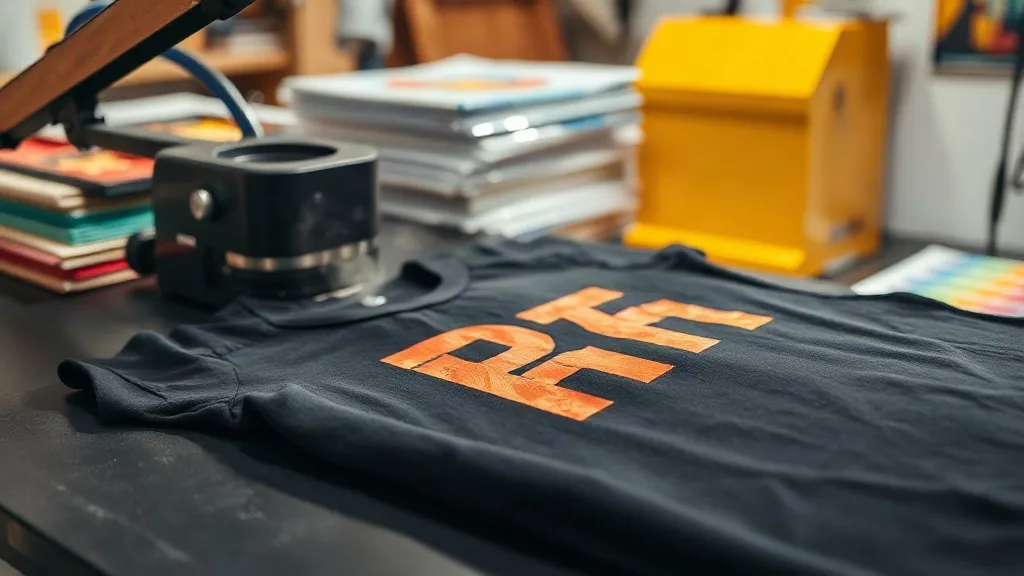
Imagine pressing a vibrant, full-color design onto a dark cotton t-shirt without worrying about fading, cracking, or limited color choices. That's the promise of dtf printing, a technology that has rapidly become a favorite among apparel decorators, small business owners, and DIY enthusiasts. Unlike traditional screen printing or vinyl, DTF (Direct to Film) transfers offer a unique blend of flexibility and resilience, making them ideal for everything from one-off custom pieces to small-batch production. In this guide, we'll dive deep into what makes DTF transfers tick, how to get the best results, and why they might just become your go-to method for decorating garments.
What Are DTF Transfers?
At its core, a DTF transfer is a printed film that you apply to fabric using a heat press. The process begins with a digital printer that lays down a design onto a special PET film using water-based pigment inks. A thermoplastic powder adhesive is then applied to the wet ink, and the film is cured. When you're ready to transfer, you simply place the film on your garment, apply heat and pressure, and peel away the film. The result is a soft, stretchable print that bonds permanently to the fabric.
What sets dtf transfers apart from other methods is their versatility. They work on a wide range of materials, including cotton, polyester, blends, and even leather. The prints are incredibly durable, surviving dozens of washes without significant fading or cracking. Plus, because the process is digital, you can print full-color, photographic-quality images with fine details and gradients, something that's challenging with traditional screen printing.
Why Choose DTF Transfers Over Other Methods?
If you're new to apparel decoration, you might wonder why you should consider DTF over more established techniques like screen printing or heat transfer vinyl (HTV). Here are a few compelling reasons:
1. No Color Limits
Screen printing requires a separate screen for each color, which can be costly and time-consuming for complex designs. With DTF, you can print unlimited colors in a single pass, including gradients, photographs, and fine lines. This makes it perfect for detailed artwork or small batches where cost-effectiveness matters.
2. Exceptional Durability
DTF prints are known for their longevity. The ink is embedded into the adhesive, which forms a strong bond with the fabric fibers. When applied correctly, the print will stretch with the garment without cracking. Independent tests show that DTF transfers can withstand 50+ washes with minimal degradation, far outperforming many other transfer methods.
3. Works on Almost Any Fabric
Unlike vinyl, which adheres best to cotton, DTF transfers bond well to polyester, nylon, and blends. This opens up possibilities for decorating performance wear, canvas bags, and even denim. The only caveat is that fabrics with a heavy texture (like ribbed knits) might require a bit more pressure to ensure full contact.
4. Low Startup Cost
You don't need a full screen printing setup or a vinyl cutter to get started with DTF. A decent DTF printer and a heat press are the main investments. For crafters and small businesses, this lowers the barrier to entry significantly.
How to Apply DTF Transfers for Professional Results
Getting a flawless transfer is part art, part science. Follow these steps to ensure your DTF transfers look great and last long.
Step 1: Prepare Your Garment
Pre-press the garment for a few seconds to remove moisture and wrinkles. This step is crucial because any trapped moisture can cause the transfer to peel or bubble. Set your heat press to the recommended temperature, usually around 300°F to 325°F (150°C to 160°C).
Step 2: Position the Transfer
Place the DTF transfer onto the garment with the printed side facing up. If your transfer has a white backing, that's the side that goes against the fabric. Use heat-resistant tape to hold it in place if needed.
Step 3: Apply Heat and Pressure
Cover the transfer with a protective sheet (like parchment paper or a Teflon sheet) and press for 10-15 seconds with medium to firm pressure. The exact time and temperature can vary by film brand, so always check the manufacturer's instructions.
Step 4: Peel and Finish
After pressing, allow the transfer to cool completely before peeling off the film. This is known as a cold peel. If you peel too early, the design might stretch or tear. Once peeled, you can do a second press for a few seconds to smooth out any remaining texture.
Common Mistakes to Avoid with DTF Transfers
Even seasoned crafters can run into issues. Here are some pitfalls to watch out for:
- Insufficient pressure: If the transfer doesn't fully adhere, it will peel off after washing. Make sure your heat press applies even pressure across the entire design.
- Wrong temperature: Too hot and the film might melt or the ink might scorch; too cold and the adhesive won't activate. Invest in a heat gun or infrared thermometer to verify your press's temperature.
- Peeling too soon: Patience is key. Let the transfer cool down naturally before peeling.
- Not pre-pressing: Skipping the pre-press can lead to moisture-related failures.
Design Tips for Stunning DTF Prints
To make your DTF transfers stand out, consider these design strategies:
- Use high-resolution images: DTF printing captures fine details, so start with at least 300 DPI.
- Add a white underbase: If printing on dark garments, include a white layer behind your design to ensure colors pop.
- Experiment with gradients: DTF excels at smooth color transitions, so don't shy away from complex artwork.
- Test on scrap fabric: Always do a test press to fine-tune your settings before committing to a final garment.
Caring for Your DTF Printed Apparel
To keep your DTF transfers looking fresh, follow these care instructions:
- Wait at least 24 hours after pressing before washing.
- Turn the garment inside out before washing.
- Use cold water and a gentle cycle.
- Avoid bleach and fabric softeners.
- Tumble dry on low or hang dry.
- Iron inside out, never directly on the print.
With proper care, your DTF prints can last for years, maintaining their vibrant colors and soft feel.
Frequently Asked Questions About DTF Transfers
How long do DTF transfers last?
When applied correctly and cared for properly, DTF transfers can last 50 or more washes. The key is using the right temperature, pressure, and time during application, and following the care instructions.
Can I stretch DTF prints?
Yes, DTF transfers are flexible and will stretch with the fabric. However, excessive stretching beyond the fabric's natural give can cause cracking over time. It's best to choose garments that fit well without overstretching.
Do I need a special printer for DTF?
You need a DTF printer that uses pigment inks and a powder shaker. Many converted Epson printers are popular for DTF. Alternatively, you can buy pre-printed DTF transfers from suppliers.
What fabrics work best with DTF?
DTF works on cotton, polyester, blends, and even leather. For best results, use fabrics with a smooth surface. Highly textured fabrics may require extra pressure.
Can I use DTF on dark colors?
Absolutely. DTF transfers include a white layer that allows vibrant colors to show up on dark garments. Just ensure your design file has the white underbase properly set up.
Final Thoughts
DTF transfers have democratized custom apparel decoration, offering professional-quality results without the complexity of traditional methods. Whether you're a small business owner looking to expand your product line or a hobbyist wanting to create personalized gifts, DTF is a versatile and reliable choice. By mastering the application process and avoiding common mistakes, you can achieve prints that impress and endure. So why not give dtf transfers a try? Your next custom creation could be your best yet.