
When you need custom apparel fast, searching for dtf transfers near me is the first step. But not all local shops deliver the same quality. Some use outdated printers, others skimp on adhesive, and a few simply don’t understand your design needs. I’ve been in the custom printing game for over six years, and I’ve tested dozens of local transfer providers. In this guide, I’ll share what I’ve learned so you can find a reliable partner without wasting time and money.
Why Local DTF Transfers Are Worth It
Choosing a nearby shop has clear benefits. You can inspect samples in person, avoid shipping delays, and build a relationship with the printer. When you search for dtf transfers near me, you’re looking for convenience, but you also want quality. Local doesn’t automatically mean good, so you need to know what to check.
In my experience, a local provider often offers faster turnaround. If you run a small clothing brand or need last-minute team uniforms, that speed is gold. Plus, you can physically see and feel the transfer before pressing it. That’s something you can’t do with an online-only store.
What Is DTF Transfer Quality Anyway?
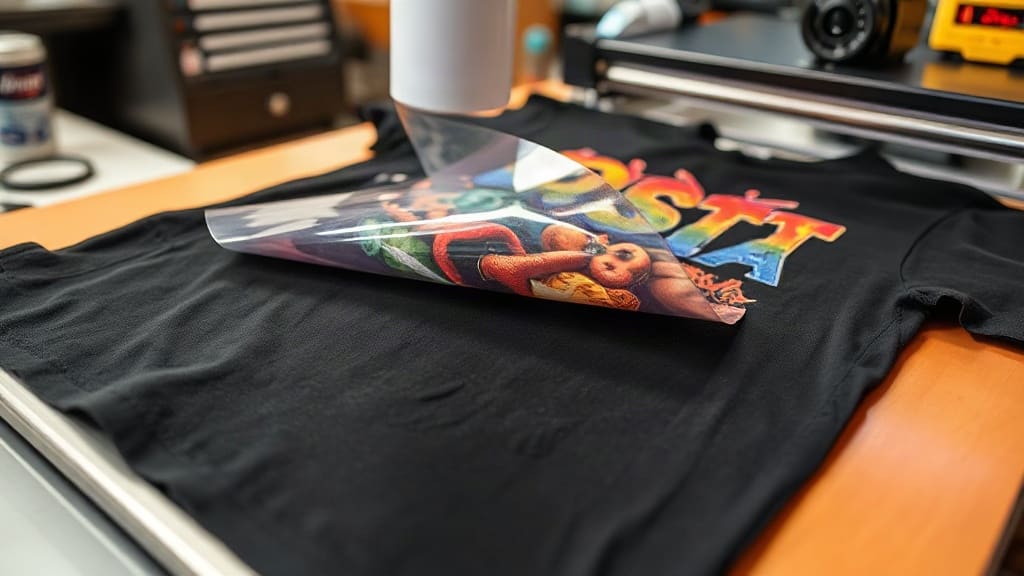
Before you pick a shop, understand what makes a transfer good. DTF (direct to film) printing involves printing your design on a special film, adding adhesive powder, and then heat-pressing it onto fabric. The result should be vibrant, durable, and stretchy.
Here are the factors I check every time:
- Resolution and color saturation: Look for crisp edges and no banding.
- Adhesive coverage: A proper white layer ensures your design sticks well.
- Stretch and wash test: Good transfers survive multiple washes without cracking.
- Film quality: The carrier film should peel off easily without residue.
When you evaluate a local shop, ask to see a pressed sample. Many shops will let you bring your own fabric to test. If they hesitate, that’s a red flag.
How to Find DTF Transfers Near Me: A Step-by-Step Approach
Finding the right provider isn’t just about typing a search. Here’s a method I’ve refined over the years.
1. Start with a Specific Search
Use modifiers like “DTF transfers near me for dark shirts” or “wholesale DTF transfers near me.” This filters out irrelevant results. Search engines pick up on your intent, so be precise.
2. Check Reviews on Multiple Platforms
Don’t rely on Google alone. Look at Yelp, Facebook, and even Instagram. A shop that posts real customer photos is often more trustworthy. Pay attention to how they respond to negative reviews. A professional response shows they care.
3. Ask for Samples (and Actually Test Them)
Once you shortlist two or three shops, request samples. Most serious printers offer free or discounted sample packs. When you get them, press them onto different fabrics: cotton, polyester, and blends. Wash them a few times. This is the only way to know for sure.
4. Compare Pricing Structure
Local shops might charge per transfer, per sheet, or by size. Some have setup fees. Ask for a quote with clear breakdown. For small runs, a shop that charges $2 per letter-size transfer might be cheaper than one that charges $5 but includes free film. Always compare apples to apples.
Key Questions to Ask a Potential DTF Provider
Before you commit, ask these questions. They reveal a lot about the shop’s expertise.
- What printer and ink do you use? High-quality printers like Epson or Ricoh with genuine inks make a difference.
- Do you offer white ink underbase? For dark shirts, this is non-negotiable.
- What is your turnaround time? Standard is 1-2 business days for orders under 50.
- Can you do rush orders? Some shops can turn around in 24 hours for a fee.
- What’s your minimum order? If you only need one shirt, find a shop that doesn’t force bulk.
I remember a client who chose a shop without asking these questions. The first batch had poor adhesion because the shop didn’t use enough powder. A simple conversation would have saved him $300.
Local vs. Online: What I’ve Learned
You might wonder if online providers are better than local. From my experience, local shops often have more accountability. If something goes wrong, you can walk in and talk to the owner. Online only gives you email support, which can be slow.
However, online providers often have lower prices because they scale. If you need hundreds of transfers, a national service might be cheaper. But for most small businesses and hobbyists, dtf transfers near me offer the best balance of quality, speed, and support.
One time, I needed 50 transfers for an event. A local shop charged $2.50 each and delivered in two days. An online quote was $1.80 each but took five days. The local option was worth the extra cost because I could inspect the samples personally.
Cost Considerations for DTF Transfers
Pricing varies widely. For a standard letter-size transfer (8.5x11), expect to pay between $1.50 and $4 for small quantities. Larger sizes like 13x19 cost $5 to $10. Setup fees are common, ranging from $10 to $30 per design.
When you compare quotes, watch for hidden charges: color calibration, rush fees, or delivery costs. A transparent shop lists everything upfront. In my experience, the cheapest option isn’t always the best value. A poorly made transfer can ruin expensive garments.
How to Test a DTF Transfer for Durability
Even if a sample looks great, durability is key. Here’s my testing routine:
- Press the transfer on a cotton t-shirt following the recommended temperature and time.
- Wash it inside out in cold water with mild detergent.
- Dry on low heat.
- Inspect for cracking, peeling, or fading after three washes.
If the transfer passes, it’s likely good. Also, do a stretch test: pull the fabric to see if the design breaks. DTF should stretch with the fabric, not crack.
Common Mistakes to Avoid When Choosing a Local Shop
Over the years, I’ve seen people make these errors:
- Ignoring sample quality: They assume all samples are the same. They aren’t.
- Focusing only on price: Cheap transfers often require more powder, which leads to cracking.
- Not checking for a white underbase: For dark shirts, this is a must.
- Skipping the test press: You need to press the transfer yourself to ensure it works with your heat press.
I once saw a customer complain online that the transfer didn’t stick, but it turned out they used an iron instead of a heat press. Always ask if the transfer requires a heat press; most do.
Building a Long-Term Relationship with Your Local Printer
Once you find a reliable shop, treat them well. Pay on time, provide clear files, and give constructive feedback. In return, they’ll prioritize your orders and sometimes offer discounts.
I’ve been working with the same local shop for three years. Because I give them consistent orders, they give me better prices and faster turnaround. It’s a win-win.
Final Thoughts on Finding DTF Transfers Near Me
Your search for dtf transfers near me doesn’t need to be stressful. Focus on quality, test samples, and build relationships. With the right provider, you’ll get vibrant, durable transfers that make your apparel stand out. Take your time, do your homework, and you’ll find a partner who understands your vision.
Frequently Asked Questions
How do I know if a DTF transfer is high quality?
High-quality transfers have vibrant colors, no banding, and a smooth texture. Press a sample and wash it several times. If it doesn’t crack or fade, it’s good. Also, check the adhesive layer; it should feel slightly tacky before pressing.
Can I use a regular iron for DTF transfers?
Most DTF transfers require a heat press because they need consistent pressure and temperature. Irons often don’t provide even heat or enough pressure, leading to poor adhesion. If you don’t have a heat press, ask your local shop if they offer pressing services.
What is the minimum order for DTF transfers?
It varies. Some shops accept single transfers, while others require a minimum of 10 or 20. When you search for local providers, ask about their minimums upfront. Many will do small batches for a slightly higher per-unit price.
How much should I expect to pay for DTF transfers?
For a standard letter-size transfer, prices range from $1.50 to $4 per piece for small quantities. Larger sizes cost more. Setup fees are common, so always ask for a total quote. Local shops may be slightly higher than online, but you save on shipping and get faster turnaround.
Can DTF transfers be used on any fabric?
DTF works best on cotton and cotton blends. It can also adhere to polyester, but the stretch may be less flexible. For 100% polyester, test a sample first because the heat can affect the fabric. Most shops can advise based on your specific garment.