
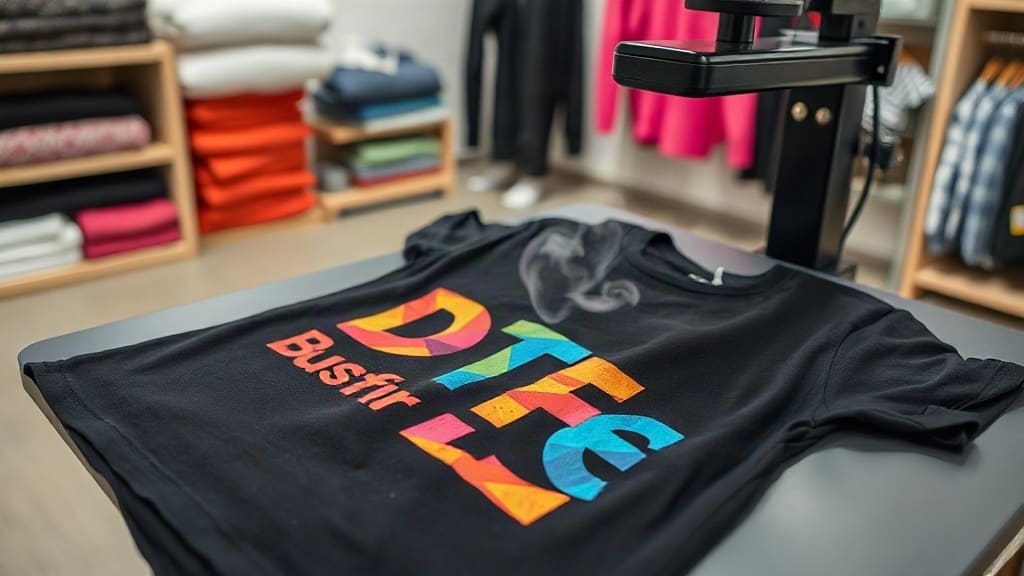
DTF transfers have taken the custom printing world by storm, offering a versatile and cost-effective way to create vibrant designs on various fabrics. If you're new to this technology or looking to expand your knowledge, this guide covers everything from the basics to advanced techniques.
What Are DTF Transfers?
DTF, or Direct to Film, is a printing method where a design is printed onto a special film, coated with adhesive powder, and then heat-pressed onto fabric. Unlike traditional screen printing or heat transfer vinyl, DTF allows for full-color prints with fine details, and it works on a wide range of materials including cotton, polyester, blends, and even leather.
How DTF Works
The process starts with printing your design onto a PET film using a specialized printer and CMYK ink. After printing, an adhesive powder is applied to the wet ink, and the film is cured to set the powder. The transfer is then cut out and heat-pressed onto the garment at around 300°F for 10-15 seconds. The result is a durable, stretchable print that feels soft to the touch.
Why Choose DTF Transfers?
There are several reasons why DTF transfers have become a favorite among small businesses and hobbyists:
- Versatility: DTF works on almost any fabric, including dark and light colors, without needing a white underbase in most cases.
- Detail and Color: The printing process allows for intricate designs with vibrant colors and gradients, perfect for photorealistic images.
- Cost-Effective: No screen setup costs, making it ideal for small orders and custom one-offs.
- Durability: DTF prints are known for their stretchability and wash resistance, lasting many washes without cracking or fading.
DTF vs. Other Methods
Compared to screen printing, DTF offers more flexibility for small quantities and complex designs. Unlike DTG (Direct to Garment), DTF transfers can be pre-printed and stored, allowing for faster production and less waste. And unlike heat transfer vinyl, DTF handles multiple colors in one pass without layering.
Getting Started with DTF Transfers
If you're ready to dive in, here's what you need to know.
Equipment Needed
To create your own DTF transfers, you'll need a DTF printer (or a converted Epson printer), DTF film, adhesive powder, a heat press, and compatible inks. Many suppliers offer starter kits that include everything you need.
Software and Design Tips
Designing for DTF is similar to other print methods. Use high-resolution images (300 DPI) and vector files for best results. Keep in mind that white areas in your design will be printed with white ink, so plan accordingly. Also, consider adding a white backer behind dark-colored designs to prevent see-through.
Best Practices for Applying DTF Transfers
To ensure your transfers look great and last, follow these tips:
- Pre-press your garment for 2-3 seconds to remove moisture and wrinkles.
- Place the transfer with the film side up, then press with medium pressure.
- Use the recommended temperature and time, typically 300°F for 10-15 seconds.
- Peel the film hot or cold, depending on the manufacturer's instructions. Some prefer hot peel for a glossy finish, while cold peel gives a matte look.
Common Mistakes to Avoid
One common issue is not using enough pressure, leading to incomplete adhesion. Another is over-pressing, which can cause the adhesive to bleed. Also, ensure your film is properly cured before pressing, or the powder may not bond correctly.
Frequently Asked Questions
Can DTF transfers be used on any fabric?
Yes, DTF transfers work on cotton, polyester blends, nylon, and even some specialty fabrics. However, it's always a good idea to test on a small area first, as some synthetic materials may not withstand the heat.
How long do DTF transfers last?
With proper care, DTF prints can last as long as the garment itself. They are designed to withstand repeated washing and stretching without cracking or peeling. To maximize longevity, wash in cold water and avoid tumble drying.
Can I use DTF transfers for light-colored and dark-colored shirts?
Absolutely. DTF transfers are unique because they include a white ink layer that acts as an underbase, making them suitable for both dark and light fabrics. This is a major advantage over methods that require separate white underlays.
Do I need a special printer for DTF?
Yes, DTF requires a printer that can handle white ink and DTF film. Many users convert Epson EcoTank printers with a DTF kit, but there are also dedicated DTF printers available. The investment can be worthwhile if you plan to produce transfers regularly.
What is the cost per transfer?
The cost varies depending on factors like design size, ink usage, and film. On average, a 10x10 cm transfer might cost around $0.50 to $1 in materials, making it very cost-effective for small runs.
Conclusion
DTF transfers are a game-changer in custom printing, offering a perfect balance of quality, flexibility, and affordability. Whether you're a small business owner or a DIY enthusiast, mastering this technique can open up new possibilities. With the right equipment and a bit of practice, you'll be producing professional-looking garments in no time.