
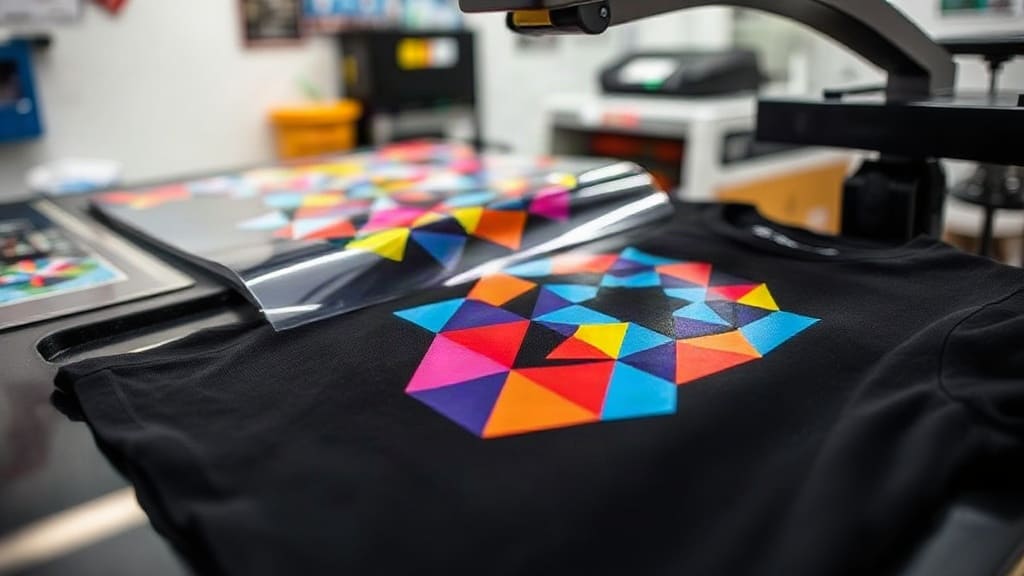
DTF transfers have revolutionized the custom printing industry, offering a versatile and cost-effective way to create vibrant designs on various fabrics. Whether you're a small business owner, a DIY enthusiast, or a professional printer, understanding this technology can open new creative possibilities.
In this guide, we'll dive deep into the world of direct-to-film printing, exploring its advantages, the step-by-step process, and practical tips to achieve professional results. By the end, you'll know why DTF transfers are becoming the go-to choice for many custom apparel projects.
What Are DTF Transfers?
Direct-to-film (DTF) printing is a method where a design is printed onto a special PET film using a DTF printer and specialized inks. The printed film is then coated with a hot-melt adhesive powder, which is fused into the ink. This transfer film can be stored for later use or applied immediately to a garment using a heat press.
Unlike traditional screen printing or heat transfer vinyl, DTF transfers allow for highly detailed, full-color prints without the need for screens or weeding. This makes it an excellent option for small runs, one-off items, and intricate designs.
How Do DTF Transfers Work?
The process might seem complex, but it breaks down into simple steps:
- Design: Create your artwork using graphic design software. Ensure it's high resolution (300 DPI) for crisp output.
- Print: Print the design onto a PET film using a DTF printer. The printer uses CMYK plus white ink to create vibrant colors, even on dark fabrics.
- Apply adhesive powder: While the ink is still wet, cover the printed film with a fine adhesive powder. This powder melts during pressing and bonds the ink to the fabric.
- Cure: The film passes through a curing oven or is heated to melt the powder, creating a solid adhesive layer.
- Press: Place the transfer on your garment with the adhesive side down. Apply heat and pressure using a heat press (typically 320-340°F for 15-20 seconds).
- Peel: After pressing, peel the film away to reveal your design. The result is a soft, stretchable print that feels part of the fabric.
Benefits of DTF Transfers
Why are DTF transfers gaining popularity? Here are the key advantages:
- Vibrant colors: The white ink layer ensures that colors pop, even on black or dark garments.
- Soft feel: The print has a thin, flexible texture that doesn't crack or peel easily, maintaining comfort.
- Versatility: Works on cotton, polyester, blends, and even some hard surfaces like wood or metal (with adjustments).
- No weeding: Unlike vinyl, intricate designs are easy to produce without manual weeding.
- Cost-effective: Lower setup costs than screen printing, making it ideal for small orders or samples.
- Durability: Prints can withstand repeated washing without fading, especially when proper care is taken.
DTF Transfers vs. Other Methods
Choosing the right printing method depends on your project needs. Here's how DTF transfers compare:
DTF vs. Heat Transfer Vinyl (HTV)
HTV requires cutting each color separately and weeding, which is time-consuming and limits detail. DTF can print full-color images in one pass, saving time and allowing more complex artwork.
DTF vs. Screen Printing
Screen printing is cost-effective for bulk orders but requires screen setup and has high initial costs. DTF is perfect for small to medium runs, offering flexibility and quick turnaround.
DTF vs. Direct-to-Garment (DTG)
DTG is excellent for large orders on cotton, but it's slower and requires pretreatment for dark fabrics. DTF works on a wider range of materials and can be produced in advance, making it more efficient.
Tips for Perfect DTF Transfers
To achieve professional results, keep these tips in mind:
- Use high-quality films and inks: Invest in reputable brands to ensure color vibrancy and durability.
- Calibrate your printer: Regularly check color profiles and nozzle alignment to avoid banding or color shifts.
- Control powder application: Evenly coat the film with adhesive powder to prevent bare spots or excess powder.
- Optimal press parameters: Different fabrics require different temperatures and times. Test on scrap fabric first.
- Peel hot or cold? Most DTF transfers can be peeled hot, but some prefer cold peel for certain materials. Follow the film manufacturer's instructions.
- Pre-press garments: Remove moisture and wrinkles from the fabric before pressing for better adhesion.
- Curing matters: Proper curing ensures the adhesive fully melts, creating a strong bond.
Applications of DTF Transfers
From apparel to accessories, the possibilities are endless:
- T-shirts and hoodies: Create custom sports jerseys, team shirts, or fashion statements.
- Tote bags and caps: Add branding or personalized designs.
- Workwear and uniforms: Durable prints for company logos or names.
- Pet apparel: Fun outfits for furry friends.
- Home textiles: Pillowcases, towels, or blankets with custom designs.
Common Mistakes to Avoid
Even experienced printers can slip up. Here are pitfalls to avoid:
- Insufficient curing: If the powder isn't melted completely, the transfer won't adhere properly.
- Using low-resolution images: This leads to blurry, pixelated prints.
- Incorrect heat settings: Too low won't bond; too high can scorch the fabric.
- Skipping pre-press: Moisture can cause steam bubbles under the transfer.
- Ignoring film compatibility: Not all films work with all printers. Check specifications.
Frequently Asked Questions
Can DTF transfers be used on dark shirts?
Yes, absolutely. The white ink layer acts as a base, making colors stand out even on black garments. That's one of the major advantages of DTF transfers.
How many washes can a DTF transfer withstand?
With proper application and care, DTF prints can last for many washes. Typically, they can survive 50+ washes without significant fading, but it depends on factors like ink quality, curing, and washing conditions.
What temperature and time should I use for pressing DTF transfers?
The recommended settings are usually 320°F to 340°F for 15 to 20 seconds with medium to firm pressure. However, always test on scrap fabric first, as different materials may require adjustments.
Do I need a special printer for DTF transfers?
Yes, you need a DTF printer that is compatible with DTF inks and can handle PET film. Many EPSON printers can be converted, but there are also dedicated DTF printers available on the market.
Can I use DTF transfers on polyester fabrics?
Yes, DTF works on polyester, but you may need to lower the temperature and increase pressure to prevent scorching. Always test first.
In conclusion, DTF transfers offer a versatile and efficient solution for custom printing. By mastering the process and avoiding common mistakes, you can produce stunning, durable prints that will delight your customers or elevate your own projects. So, why wait? Dive into the world of DTF and unleash your creativity.