
If you're in the custom apparel industry, you've probably heard about DTF transfers. This innovative printing method has taken the market by storm, offering a versatile and cost-effective way to create vibrant, durable designs on various fabrics. Whether you're a seasoned printer or just starting, understanding DTF is essential to stay ahead. In this comprehensive guide, we'll explore what DTF transfers are, how they work, their benefits, and practical tips to get the best results.
What Are DTF Transfers?
DTF stands for Direct to Film. It's a printing technique where a design is printed onto a special film using a DTF printer, then transferred onto fabric using heat and pressure. Unlike traditional methods like screen printing or heat transfer vinyl, DTF allows for highly detailed, full-color prints with a soft feel. The process is relatively simple, making it accessible for small businesses and hobbyists alike.
How Does DTF Printing Work?
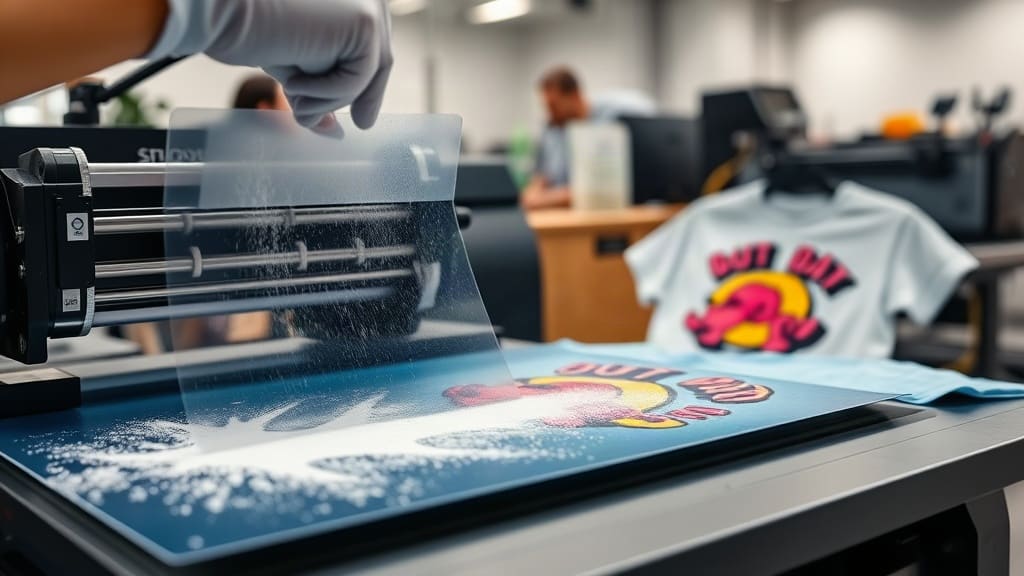
The process begins with printing your design onto a PET film using a DTF printer equipped with white ink. After printing, an adhesive powder is applied to the wet ink, which acts as a glue when heat is applied. The film is then cured or dried, and finally, the transfer is placed on the garment and pressed with a heat press. The result is a vibrant, stretchable, and wash-resistant print.
Step-by-Step DTF Transfer Process
- Design Preparation: Create or import your design into DTF software. Ensure it's high resolution and properly color-separated if needed.
- Printing: Print the design onto DTF film using a printer with CMYK plus white ink. The white ink is crucial for printing on dark fabrics.
- Applying Adhesive Powder: While the ink is still wet, coat the printed area with hot-melt adhesive powder. Shake off excess powder.
- Curing: Heat the film to melt the adhesive powder, which binds the ink to the film and activates the glue.
- Pressing: Place the film on the garment, apply heat and pressure with a heat press, and peel off the film after cooling.
Why Choose DTF Transfers?
There are several reasons why DTF has become a favorite among custom apparel makers:
- Versatility: DTF works on a wide range of fabrics including cotton, polyester, blends, and even leather.
- Color Vibrancy: The white underbase ensures colors pop on dark fabrics, and the ink is highly opaque.
- Soft Hand Feel: Unlike vinyl, DTF prints are thin and flexible, providing a soft texture that doesn't crack or peel easily.
- Durability: With proper application, DTF transfers can withstand many washes without fading.
- Cost-Effective: For small to medium runs, DTF is often cheaper than screen printing, as there's no screen setup cost.
- Ease of Use: The process is straightforward, requiring minimal training compared to other methods.
DTF vs. Other Print Methods
To appreciate DTF, it helps to compare it with alternatives like screen printing, DTG, and vinyl.
DTF vs. Screen Printing
Screen printing is excellent for large orders with simple designs, but it requires setup and is less flexible for variations. DTF shines for small to medium orders, full-color designs, and quick turnarounds.
DTF vs. Direct-to-Garment (DTG)
DTG prints directly onto the shirt, which is great for one-off items, but it's slower and less cost-effective for bulk. DTF allows you to print multiple transfers at once and apply them on demand, making it more efficient for production.
DTF vs. Heat Transfer Vinyl
Vinyl is limited to solid colors and simple shapes. DTF offers full-color, photographic prints with no weeding required, saving time and labor.
Choosing the Right Equipment for DTF Transfers
To produce high-quality DTF transfers, you need the right tools. Here's what to consider:
DTF Printer
You can either use a dedicated DTF printer or convert a standard inkjet printer. Look for one that supports white ink and has a robust ink system to prevent clogging. Popular models include the Epson F2100 or specialized DTF printers like the L1800.
Adhesive Powder
High-quality adhesive powder ensures strong bonding. Choose a powder that is compatible with your ink and fabric type.
Heat Press
A good heat press with precise temperature and pressure control is crucial. A clamshell or swing-away press works well. Ensure it can reach the required temperature (around 160°C) and apply even pressure.
DTF Film
Use premium PET film that can withstand high temperatures and provides good ink absorption. Look for films with a matte finish for better adhesion.
Tips for Perfect DTF Transfers Every Time
Even with the best equipment, small mistakes can ruin your prints. Here are practical tips to ensure flawless results:
- Use Proper Pretreatment: For dark fabrics, some prefer to pretreat, but DTF usually doesn't require it. Still, ensure the garment is clean and free of lint.
- Shake Adhesive Well: Before applying, shake the powder container to avoid clumps. Apply an even coat to the entire printed area.
- Monitor Temperature: Different films and powders have specific temperature requirements. Typically, curing takes about 4 minutes at 160°C. Overheating can cause yellowing.
- Press with Medium Pressure: Too much pressure can cause the design to bleed, while too little won't adhere properly. Aim for medium pressure with a silicone pad.
- Peel Hot or Cold: Some films require hot peeling, others cold. Check the manufacturer's instructions. For most, cold peeling after 30 seconds gives a smoother finish.
- Test on Scrap Fabric: Always do a test print on a similar fabric to calibrate your settings.
Common Issues and Solutions
Even seasoned printers face challenges. Here are some common DTF problems and how to fix them:
Ink Bleeding
This often occurs due to excessive powder or too high temperature. Reduce powder amount and lower press temperature slightly.
Adhesion Failure
If the design peels off after washing, it may be due to insufficient curing or pressure. Increase curing time or pressure.
White Ink Not Opaque Enough
Ensure you're using enough white ink layers. Some printers have a setting to increase white ink density.
Business Opportunities with DTF Transfers
The demand for custom apparel is booming. Starting a DTF transfer business can be a lucrative venture. You can sell pre-printed transfers, offer printing services, or create your own clothing line. The low startup cost and high margin make it an attractive option for entrepreneurs.
One of the key advantages is the ability to print on demand. You can produce transfers in bulk and apply them as orders come in, reducing inventory costs. Additionally, you can offer white-label services to other brands.
Frequently Asked Questions
Can DTF transfers be used on any fabric?
DTF transfers work on a variety of fabrics including cotton, polyester, blends, and even performance materials. However, the best results are on natural fabrics or high-cotton blends. For synthetic fabrics, use a lower press temperature to avoid melting.
How long do DTF prints last?
With proper application and care, DTF prints can last for many washes, typically 50+ washes without significant fading. The durability depends on the ink quality, adhesive, and washing conditions.
Is DTF cost-effective for small orders?
Yes, DTF is very cost-effective for small to medium orders because there's no setup cost like screen printing. You can print one transfer at a time, making it ideal for custom and personalized items.
Do I need a special printer for DTF?
Yes, you need a printer that can handle white ink. Many users convert standard inkjet printers like the Epson L1800 by using DTF ink and a white ink circulation system. Dedicated DTF printers are also available.
Can I use DTF transfers on dark fabrics?
Absolutely. The white ink layer acts as an underbase, ensuring that colors appear vibrant on dark materials. This is one of the main advantages of DTF over other transfer methods.
Conclusion
DTF transfers have revolutionized custom printing, offering a perfect blend of quality, versatility, and affordability. Whether you're a hobbyist or looking to scale a business, mastering DTF can open up endless possibilities. With the right equipment and techniques, you can produce stunning apparel that stands out. So, dive in, experiment, and enjoy the creative journey.