
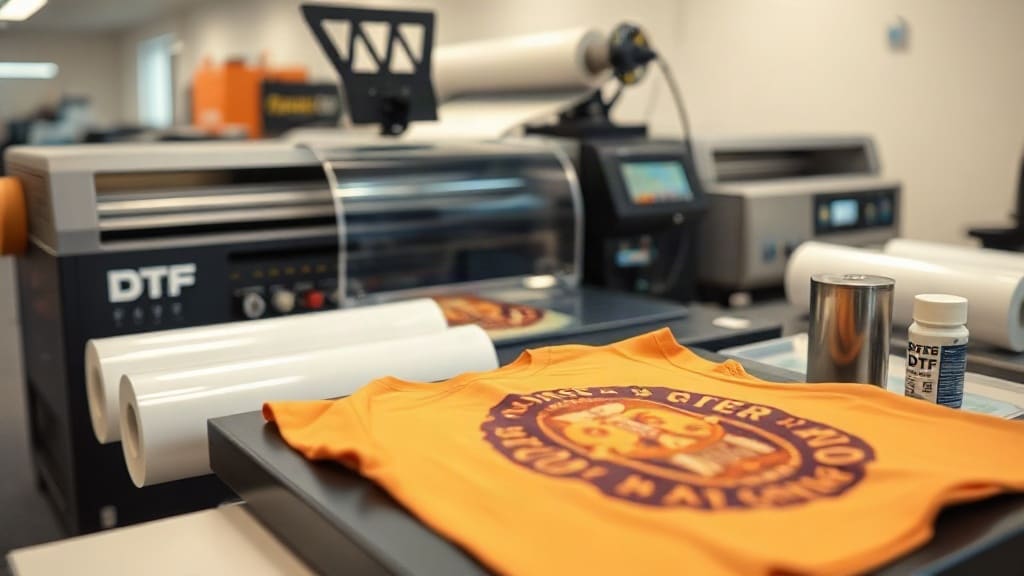
DTF transfers have revolutionized the custom printing industry, offering a versatile and cost-effective solution for creating vibrant designs on various fabrics. Whether you're a small business owner, a hobbyist, or a large-scale manufacturer, understanding the ins and outs of DTF technology can help you produce high-quality apparel with ease. In this comprehensive guide, we'll explore what DTF transfers are, how they work, their benefits, and practical tips to achieve the best results.
What Are DTF Transfers?
DTF, or Direct to Film, is a printing method where designs are printed onto a special PET film, coated with adhesive powder, and then heat-pressed onto fabric. Unlike traditional screen printing or heat transfer vinyl, DTF transfers allow for full-color prints with soft hand-feel and excellent durability. The process involves printing the design in reverse (mirrored) onto the film, applying adhesive powder to the wet ink, and curing it. Later, the film is placed on the garment and pressed with heat, transferring the design permanently.
How DTF Transfers Work
The DTF process involves several key steps:
- Printing: The design is printed onto a special DTF film using a DTF printer, typically an Epson or Ricoh printer modified for DTF inks (CMYK plus white).
- Powder Application: While the ink is still wet, a hot-melt adhesive powder is applied to the film. This powder adheres to the ink, creating a sticky base that will bond with the fabric during pressing.
- Curing: The film is then passed through a curing oven or dryer to melt the adhesive powder and bond it to the ink. This step solidifies the adhesive, making it ready for transfer.
- Cutting: The film is cut around the design (if needed) to remove excess film, making it easier to position on the garment.
- Heat Pressing: The film is placed on the fabric with the printed side facing down. A heat press applies high pressure and temperature (usually around 300°F/150°C) for about 10-15 seconds. The adhesive melts and bonds the ink to the fabric.
- Peeling: After pressing, the film is peeled off (either hot or cold, depending on the film type), leaving behind a vibrant, durable print.
Advantages of DTF Transfers
DTF transfers offer numerous benefits that make them a popular choice for both small and large printing operations:
- Versatility: DTF works on a wide range of fabrics, including cotton, polyester, blends, denim, nylon, and even leather. It's perfect for t-shirts, hoodies, tote bags, and more.
- High Quality: DTF prints are known for their vibrant colors, sharp details, and soft hand-feel. The white ink layer ensures that colors remain true even on dark garments.
- Durability: DTF transfers are highly durable, withstanding repeated washing without cracking or fading. They stretch well with the fabric, making them ideal for activewear.
- Cost-Effective: No screens are needed, making DTF ideal for small orders and short production runs. It's also more affordable than screen printing for small quantities.
- Ease of Use: The process is relatively simple and can be learned quickly. It allows for on-demand printing, reducing inventory and waste.
- No Weeding: Unlike vinyl, DTF does not require intricate weeding, saving time and labor.
DTF vs. Other Printing Methods
When comparing DTF to other popular methods like DTG, screen printing, and HTV, it's important to consider the pros and cons of each.
DTF vs. DTG
Direct to Garment (DTG) printing works by applying ink directly to the fabric using a specialized printer. DTG is excellent for large orders with intricate designs, but it requires pretreated garments and may have limitations on certain fabric types. DTF, on the other hand, offers more flexibility in fabric choice and is faster for medium runs.
DTF vs. Screen Printing
Screen printing is ideal for bulk orders due to its low per-unit cost, but it requires expensive setup fees and is not cost-effective for small quantities. DTF transfers provide a cheaper alternative for short runs and allow for easy customization without additional setup costs.
DTF vs. HTV
Heat transfer vinyl (HTV) is popular for simple designs with solid colors, but it requires weeding and can be less durable. DTF transfers offer more color options and a softer feel, making them superior for detailed and multi-colored designs.
Tips for Perfect DTF Transfers
To achieve professional-looking DTF transfers, consider the following tips:
- Use High-Quality Materials: Invest in quality DTF films, inks, and adhesive powder. Cheap supplies often lead to poor adhesion and durability issues.
- Calibrate Your Printer: Ensure your printer is properly calibrated for DTF, including correct color profiles and ink density settings.
- Choose the Right Fabric: While DTF works on many fabrics, results vary. Cotton and polyester blends give the best results. For highly stretchy fabrics, test thoroughly to ensure the print doesn't crack.
- Optimize Pressing Parameters: Temperature, pressure, and time are critical. Experiment with different settings to find the ideal combination for your specific film and fabric.
- Peel When Warm: If you're using a hot-peel film, peel immediately after pressing. For cold-peel films, wait until the print cools slightly. Follow the manufacturer's instructions.
- Pre-Press Garments: Pre-pressing removes moisture and wrinkles, ensuring a cleaner transfer.
Common Mistakes to Avoid
Even experienced printers can make mistakes. Here are some pitfalls to avoid:
- Incorrect Powder Application: Too much powder can make the print stiff, while too little can lead to poor adhesion. Use a shaker box or even application method.
- Under-Curing: If the adhesive isn't fully cured, the transfer may not stick properly. Ensure your curing temperature is high enough and the dwell time sufficient.
- Poor Film Handling: Scratching or folding the film before pressing can ruin the design. Handle films carefully.
- Ignoring Print Direction: Always print mirrored (reverse) when using DTF, as the design transfers correctly when pressed.
Applications of DTF Transfers
DTF transfers are incredibly versatile. Here are some popular applications:
- Custom Apparel: T-shirts, hoodies, sweatshirts, and sports jerseys are the most common uses.
- Accessories: Tote bags, caps, and aprons can be customized with DTF.
- Small Business Merch: Perfect for startups selling personalized merchandise.
- Print on Demand: DTF enables on-demand printing, so you can offer a wide range of designs without holding inventory.
Cost Considerations
The initial investment for DTF equipment includes a printer (modified for DTF), a powder shaker, a curing oven, and a heat press. However, ongoing costs are relatively low, making it accessible for small businesses. The cost per print is competitive, especially when compared to screen printing for small quantities.
FAQs
How many washes can DTF transfers withstand?
With proper application and care, DTF transfers can withstand 50 or more washes without significant fading or cracking. Durability depends on the quality of materials used and adherence to recommended washing instructions (e.g., washing inside out in cold water and avoiding high-heat drying).
Can DTF transfers be used on dark fabrics?
Yes, DTF is excellent for dark fabrics because of the white ink layer that is printed as a base. This ensures that the colors appear vivid and opaque even on black or navy garments.
What is the difference between hot peel and cold peel DTF films?
Hot peel films are peeled immediately after pressing while the adhesive is still hot, which can save time. Cold peel films require waiting for the film to cool before peeling, which can enhance detail retention and color vibrancy. The choice depends on the film manufacturer and your production workflow.
Do I need special equipment to apply DTF transfers?
Yes, you need a heat press to apply DTF transfers. A clamshell or swing-away press with precise temperature and pressure control is recommended. For production, a conveyor dryer may be used, but a heat press is sufficient for small-scale operations.
Can DTF transfers be applied to materials other than fabric?
DTF is designed for fabric, but it can also be applied to other porous materials like canvas, leather, and even wood in some cases. However, the results may vary, so it's best to test on a sample first.
Final Thoughts
DTF transfers are a game-changer for custom printing, offering a perfect blend of quality, versatility, and cost-effectiveness. Whether you're looking to start a custom apparel business or simply want to create personalized gifts, mastering DTF technology can open up endless possibilities. With the right equipment, materials, and technique, you'll be producing stunning prints that stand out. So go ahead, experiment, and unleash your creativity with DTF transfers today!