
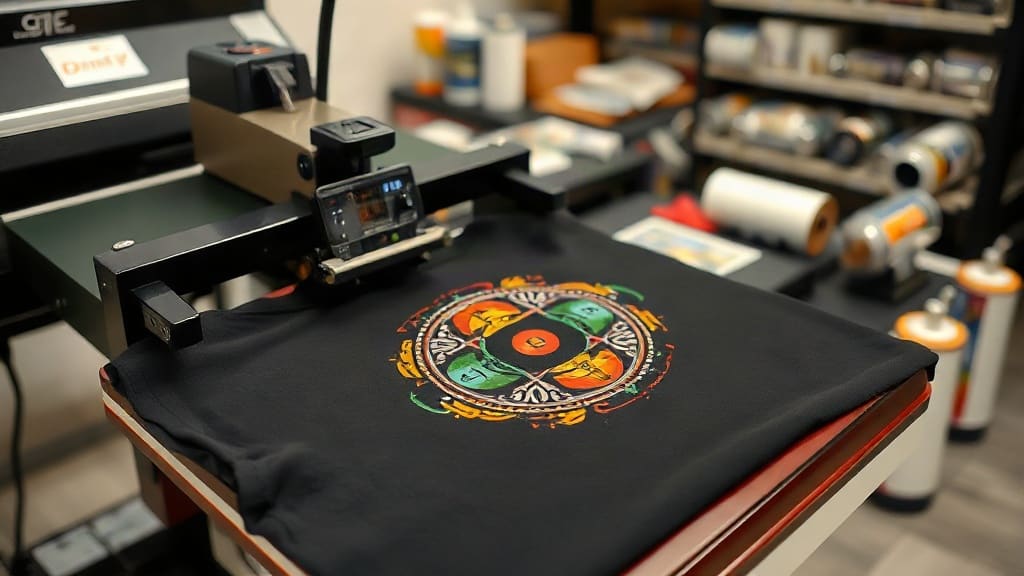
If you're in the custom printing world, you've likely heard the buzz about DTF transfers. They've taken the industry by storm, offering a fresh alternative to traditional methods like screen printing and heat transfer vinyl. But what exactly are they, and why are they becoming the go-to choice for entrepreneurs, small businesses, and hobbyists alike? In this comprehensive guide, we'll dive deep into the world of DTF transfers, exploring how they work, their many benefits, and how you can use them to create stunning custom apparel and products.
What Are DTF Transfers?
DTF stands for Direct to Film. Unlike direct-to-garment (DTG) printing, where ink is printed directly onto the fabric, DTF transfers involve printing your design onto a special film, applying adhesive powder, and then heat-pressing the transfer onto the garment. The result is a vibrant, durable print that feels soft to the touch and can be applied to a wide range of materials.
The process is remarkably versatile. You can create DTF transfers in-house with a DTF printer, or you can order them from a service provider. Once you have the transfer, application is simple: place it on your garment, apply heat and pressure with a heat press, and peel. It's a game-changer for those looking to print on demand or in small batches.
How Do DTF Transfers Work?
To understand the magic behind DTF, let's break down the process step by step. First, you need a design. This can be anything from a simple logo to a full-color photograph. The design is printed onto a PET film using specialized DTF inks (typically CMYK plus white). The white ink acts as a base layer, ensuring your colors pop on dark fabrics.
After printing, a hot-melt adhesive powder is applied to the wet ink. This powder is what allows the transfer to bond with the fabric. The film is then dried or cured, melting the adhesive into a tacky state. When you're ready to apply, you place the film (powder side down) onto your garment and press it with a heat press at around 300-320°F for 15-20 seconds. After cooling, you peel off the film, leaving behind your vibrant design.
Why Choose DTF Transfers?
There are many reasons why DTF transfers have become so popular. For one, they offer incredible color vibrancy and detail. Because you're printing onto a film, you can achieve sharp lines and gradients that are challenging with other methods. The white ink layer ensures that even neon colors stay bright on black shirts.
Another advantage is versatility. DTF works on cotton, polyester, blends, and even materials like nylon or leather. This makes it ideal for printing on a variety of products, from t-shirts and hoodies to tote bags and hats. Plus, the transfers have a soft hand feel, meaning the print doesn't crack or fade easily. It's stretchable, so it moves with the fabric without breaking.
DTF vs. Other Printing Methods
To truly appreciate DTF, it helps to compare it with other popular techniques. Let's look at screen printing, DTG, and heat transfer vinyl.
DTF vs. Screen Printing
Screen printing is the old standby for bulk orders. It requires creating screens, which is time-consuming and costly for small runs. DTF transfers, on the other hand, have no setup costs. You can print one-off designs or small batches economically. Screen printing also has limitations with color gradients, while DTF can handle complex artwork with ease.
DTF vs. DTG
Direct-to-garment printing is fantastic for intricate, full-color designs on cotton. However, DTG printers are expensive and require regular maintenance. DTF offers a lower entry barrier: you can start with a DTF printer and a heat press, or even outsource the transfer printing. DTF also works better on polyesters and blends, where DTG often struggles with washability.
DTF vs. Heat Transfer Vinyl
HTV is great for simple, solid-color designs. But cutting vinyl for each color is tedious, and layered vinyl can feel stiff. DTF transfers can reproduce full-color artwork in one pass, with a softer feel that rivals screen printing. The stretchability of DTF is also superior to HTV, which can crack or peel over time.
Getting Started with DTF Transfers
Ready to dive in? Here's what you need to know to start producing your own DTF transfers.
Essential Equipment
- DTF Printer: You can convert an EPSON printer with a DTF conversion kit, or purchase a dedicated DTF printer. Prices vary, but you can start with a budget-friendly option.
- Heat Press: A quality heat press is crucial for applying the transfers. You can use a clamshell or swing-away model, but ensure it provides even pressure and temperature.
- Shaker or Powder Applicator: This applies the adhesive powder evenly onto the printed film.
- Curing Oven or Dryer: To melt the powder and cure the transfer, you'll need a heat source. Some people use a convection oven or a dedicated curing tunnel.
- PET Films and Inks: Invest in high-quality films and DTF inks for best results.
Step-by-Step Process
- Print Your Design: Ensure your design is mirrored (flipped) because you'll be pressing the film onto the fabric. Print onto the PET film using CMYK+W mode.
- Apply Adhesive Powder: While the ink is still wet, cover the print with adhesive powder. Shake off the excess and make sure the entire design is coated.
- Dry and Cure: Place the film in a curing oven or use a heat gun to melt the powder. The ideal temperature is around 160-180°C for 2-3 minutes. The powder should become tacky but not overly melted.
- Cut Around the Design: Using scissors or a cutter, trim the transfer close to the design, leaving a small border if desired.
- Pre-press Your Garment: Pre-press the area where you'll place the transfer to remove moisture and wrinkles.
- Apply the Transfer: Place the transfer (powder side down) on the garment. Use heat-resistant tape to hold it in place. Press at 300-320°F for 15-20 seconds with medium to firm pressure.
- Peel Hot or Cold: Some films require hot peeling, others cold. Check your film instructions. Generally, hot peel for matte films, cold peel for glossy.
- Enjoy Your Print: Your custom garment is ready!
Tips for Perfect DTF Transfers
To get the best results, keep these expert tips in mind:
- Calibrate Your Printer: Ensure your printer heads are aligned and colors are accurate. Run test prints to fine-tune your settings.
- Use Quality Films: Cheap films can cause cracking or peeling. Invest in reputable brands.
- Powder Distribution: Apply powder generously but evenly. Too little means poor adhesion; too much can cause a thick, plasticky feel.
- Temperature and Time: Follow the recommended press settings. Too low temperature won't bond properly, too high can scorch the fabric.
- Pressure: Ensure even pressure across the entire design. If your press doesn't cover the full area, use a silicone pad or press in sections.
Troubleshooting Common Issues
Even experts hit snags. Here's how to fix common DTF problems:
Transfer Won't Stick
If your transfer isn't adhering, check your temperature and pressure. Increase press time slightly, or pre-press the garment to remove moisture. Also, make sure you're using enough adhesive powder.
Cracking or Peeling After Wash
This often happens due to under-curing or using low-quality film. Ensure you cure the powder completely before pressing. Also, washing instructions matter: turn garments inside out and wash in cold water.
Colors Look Faded
Faded colors can result from low ink density or not enough white underbase. Increase ink saturation in your print settings, and ensure the white layer is opaque.
Cost-Effectiveness of DTF Transfers
One of the biggest draws of DTF transfers is their cost-effectiveness. Unlike screen printing, there's no minimum order quantity. You can print a single shirt profitably. For small businesses, this means less inventory risk and the ability to offer unlimited designs without upfront costs.
When you compare the cost per print, DTF is competitive. The main expenses are film, ink, powder, and electricity. As you scale, these costs decrease. Plus, the durability of DTF prints means fewer returns and happier customers.
Creative Uses for DTF Transfers
Beyond t-shirts, the possibilities are endless. Here are some creative ways to use DTF transfers:
- Sportswear: Create custom jerseys, leggings, and performance wear with stretchable prints.
- Outerwear: Add designs to jackets, hoodies, and even denim.
- Accessories: Print on tote bags, backpacks, hats, and even shoes.
- Home Decor: Customize pillows, towels, and table linens.
- Promotional Products: Make branded mugs, mousepads, or keychains with DTF transfers.
FAQs About DTF Transfers
Can I use DTF transfers on dark colored garments?
Absolutely! The white ink layer in DTF acts as an underbase, making colors pop on dark fabrics. This is one of the biggest advantages over other methods.
How many washes can a DTF transfer withstand?
With proper application and care, DTF transfers can last 50+ washes without significant fading or cracking. Always recommend customers wash inside out in cold water and avoid bleach.
Do I need a special printer for DTF?
Yes, you need a printer that can handle DTF inks and films. You can convert an Epson EcoTank or use a dedicated DTF printer. Ensure it has a pigment-based ink system and supports white ink circulation.
Can I use DTF transfers without a heat press?
While a heat press is recommended for consistent results, you can use a home iron. However, it's challenging to achieve even pressure and temperature, which may affect durability. For professional results, invest in a heat press.
Are DTF transfers eco-friendly?
DTF inks and films are often more eco-friendly than plastisol inks used in screen printing. They are water-based and free of harmful chemicals. Always dispose of waste responsibly.
Final Thoughts
DTF transfers have truly revolutionized the custom printing industry, offering a perfect blend of quality, versatility, and affordability. Whether you're launching a clothing brand, fulfilling print-on-demand orders, or simply crafting gifts, DTF transfers empower you to create professional-grade products with ease. By understanding the process and following best practices, you can avoid common pitfalls and produce stunning prints that stand the test of time. So why wait? Dive into the world of DTF and unlock your creative potential today!