
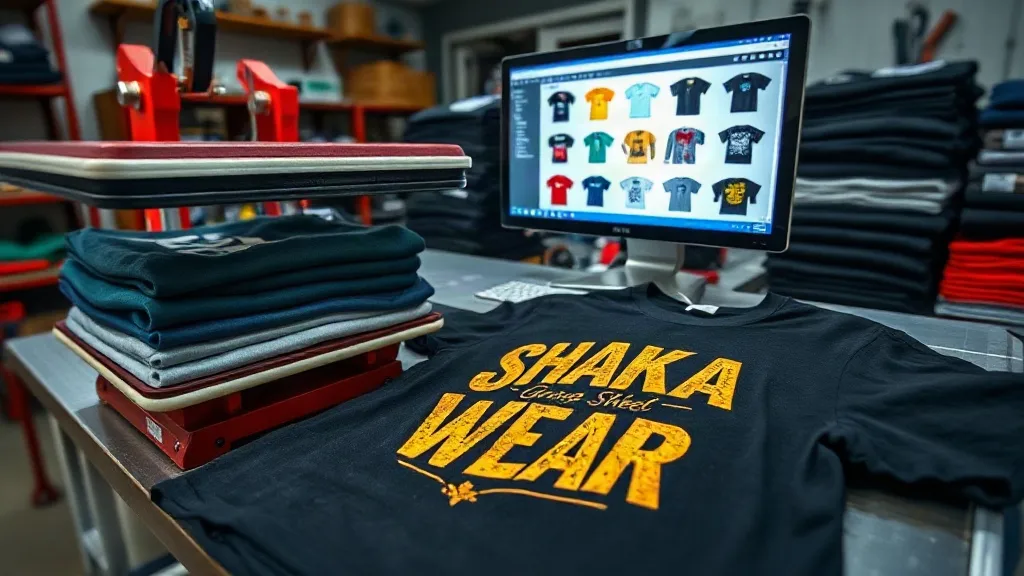
When you're running a print shop, the difference between a good DTF print and a great one often comes down to the blank you choose. shaka wear has quietly become a go-to for printers who need reliability without sacrificing style. But are you getting the most out of these blanks? In this guide, we'll share practical tips specifically for DTF printing on Shaka Wear tees, from fabric nuances to color matching and workflow hacks. Whether you're new to DTF or a seasoned pro, these insights will help you turn out consistent, vibrant prints that keep customers coming back.
Why Shaka Wear Blanks Deserve a Spot in Your DTF Workflow
Shaka Wear has built a reputation for offering heavyweight, durable tees at a price point that makes sense for high-volume shops. Their blanks are predominantly 100% cotton, which is generally a dream for DTF printing because cotton holds ink well and produces crisp details. However, not all Shaka Wear styles are created equal, and understanding the subtle differences can save you from costly misprints.
One of the standout features of Shaka Wear blanks is their consistent sizing and construction. This consistency means you can dial in your press settings once and replicate results across dozens or hundreds of shirts. That reliability is gold when you're fulfilling large orders or running a tight production schedule.
Choosing the Right Shaka Wear Blank for DTF
Shaka Wear offers a range of styles, from classic crewnecks to hoodies and tank tops. For DTF, the fabric composition and weight matter more than you might think. Here's what to consider:
- 100% Cotton Styles: These are the safest bet for DTF. The smooth surface allows for excellent adhesion and vibrant colors. Shaka Wear's cotton tees, like the Classic Cotton Tee, are a solid choice.
- Blends (Cotton/Poly): Some Shaka Wear styles incorporate polyester. While DTF works on blends, the print may appear slightly muted or have a different hand feel. Always test before committing to a large run.
- Weight and Texture: Heavier fabrics (like 5.5 oz and up) tend to provide a more stable base for DTF, reducing the chance of the transfer shifting during pressing. Shaka Wear's heavyweight options are ideal for structured prints.
Pro tip: Keep a swatch library of your most-used Shaka Wear blanks. Label each with fabric content and weight, and note how your DTF transfers perform on them. This simple habit eliminates guesswork and speeds up production.
Preparing Shaka Wear Blanks for DTF Printing
Proper preparation is half the battle. Shaka Wear blanks often come with a factory finish that can interfere with adhesion. Always pre-press the garment to remove moisture and wrinkles. Set your heat press to around 330°F (165°C) and press for 5-10 seconds. This step also helps shrink the fabric slightly, preventing post-print distortion.
Another key step: use a lint roller or compressed air to remove any fibers from the print area. Even a tiny speck can cause a visible flaw in the final transfer.
Mastering DTF Settings for Shaka Wear Fabrics
DTF printing is forgiving, but different fabrics require slight adjustments. For Shaka Wear's 100% cotton tees, we recommend:
- Press Temperature: 300-320°F (150-160°C). Cotton can handle higher heat, but staying in this range prevents scorching.
- Pressure: Medium to firm. You want the transfer to make full contact with the fabric without crushing the texture.
- Peel: Wait until the transfer is completely cool before peeling. This ensures the adhesive has fully bonded and prevents stretching.
For blends, drop the temperature by about 10°F and reduce pressure slightly to avoid over-pressing, which can cause the polyester to glaze.
Color Matching: Getting Vivid Results on Shaka Wear Blanks
Shaka Wear offers a wide palette, from classic white and black to trendy heathers and neons. But how your DTF ink interacts with the fabric color can make or break the design. Here's how to ensure your colors pop:
- White Ink Underbase: Always use a white underbase when printing on dark or colored garments. This is standard for DTF, but pay attention to the opacity of your white layer. Shaka Wear's dark colors may require a slightly thicker white base to prevent the fabric from showing through.
- Color Profiles: Calibrate your printer's ICC profile for the specific fabric you're using. What works on a white tee may not work on a heather grey. Invest in a colorimeter or work closely with your RIP software to fine-tune.
- Test Prints: Never skip test prints on actual Shaka Wear blanks. The fabric's texture and absorbency can affect color vibrancy. Keep a record of your settings for each color/fabric combo.
Streamlining Production with Gang Sheets
If you're producing multiple shirts with the same design or a variety of designs, gang sheets are your best friend. A gang sheet allows you to arrange multiple transfers on a single sheet, maximizing your DTF film usage and reducing waste. For Shaka Wear blanks, consider the size and placement of each design to ensure efficient nesting.
To take the hassle out of gang sheet creation, try the DTF Gangsheet Builder. This intuitive tool lets you upload your artwork, arrange it on a virtual sheet, and calculate the optimal layout. It's a game-changer for shops that want to scale up without scaling up their material costs.
Common Pitfalls and How to Avoid Them
Even experienced printers run into issues. Here are a few common problems when printing DTF on Shaka Wear blanks and how to fix them:
- Transfer Lifting at Edges: This usually happens due to insufficient pressure or uneven cooling. Make sure your press is level and allow the transfer to cool completely before peeling.
- Faded Colors After Washing: If prints fade prematurely, it's often because the transfer wasn't pressed long enough or the fabric wasn't pre-pressed. Follow the recommended dwell time and always pre-press.
- Sticky Residue: Sometimes a faint residue remains after peeling. This is normal and usually disappears after the first wash. If it's excessive, reduce the pressing temperature slightly.
Case Study: A Print Shop's Success with Shaka Wear and DTF
Take the example of a mid-sized print shop in Austin that switched to Shaka Wear blanks for their DTF line. They were struggling with inconsistent results on various brands, leading to high waste and customer complaints. After standardizing on Shaka Wear's 100% cotton tees, they were able to dial in their press settings and reduce misprints by 30%. They also started using a gang sheet builder to optimize layouts, cutting film costs by 15%. The shop now runs a smoother operation and has seen a 20% increase in repeat orders.
Frequently Asked Questions
Can I use DTF printing on Shaka Wear's polyester blends?
Yes, you can, but you'll need to adjust your settings. Lower the temperature to around 290°F (143°C) and use light pressure to avoid scorching or dye migration. Always test on a scrap piece first.
How do I prevent the DTF transfer from cracking on Shaka Wear hoodies?
Cracking usually occurs when the transfer isn't pressed long enough or the fabric stretches during peeling. Ensure you press for the full recommended time (usually 15-20 seconds) and let the transfer cool completely before peeling. Also, avoid over-stretching the garment when peeling.
What's the best way to store DTF transfers for Shaka Wear blanks?
Store transfers in a cool, dry place away from direct sunlight. Keep them flat or rolled, not folded, to prevent creasing. Use them within a few weeks for optimal adhesion.
Do I need to wash Shaka Wear blanks before DTF printing?
No, pre-washing is not necessary and can actually introduce wrinkles and shrinkage. Just pre-press to remove moisture and wrinkles.
How can I achieve a soft-hand feel on Shaka Wear tees with DTF?
Use a quality DTF film and powder, and avoid over-pressing. A lighter pressure and shorter dwell time can help maintain a softer hand. Also, consider using a matte finish powder for a more subtle look.