
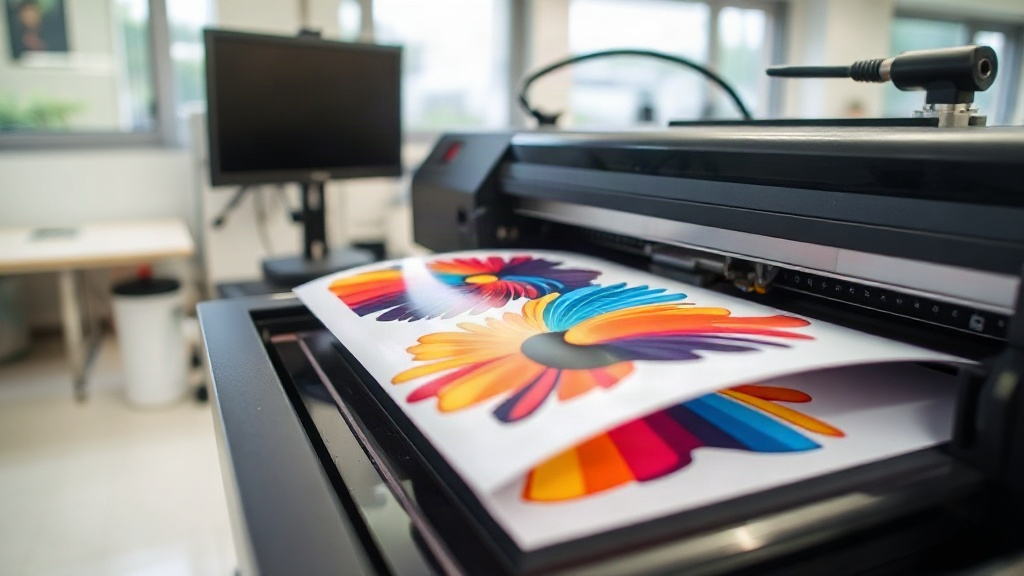
If you've been exploring custom apparel printing, you've likely encountered the term DTF. Short for Direct-to-Film, this technology is rapidly changing how creators and businesses produce vibrant, durable designs on fabrics. Unlike traditional methods that require specific materials, DTF printing offers unparalleled versatility and simplicity. In this guide, we'll dive deep into what DTF is, how it works, and why it might be the perfect solution for your next project.
What is DTF Printing?
DTF stands for Direct-to-Film. It's a printing process where your design is printed onto a special film, coated with a powder adhesive, and then heat-pressed onto the fabric. This method eliminates the need for pretreatment or specialized inks for different fabric types, making it a game-changer for both small businesses and hobbyists.
The key components of DTF printing include:
- DTF printer: Typically a modified inkjet printer using pigment inks.
- DTF film: A PET film with a release layer that holds the printed design.
- Adhesive powder: A thermoplastic powder that melts and bonds the design to the fabric.
- Heat press: Applies heat and pressure to transfer the design from film to fabric.
How Does DTF Printing Work?
The DTF process is straightforward but requires attention to detail. Here's a step-by-step breakdown:
- Design preparation: Create your artwork in a graphic design software. Ensure it's mirrored (flipped horizontally) before printing.
- Printing: Load the DTF film into the printer and print your design using pigment inks. The printer lays down a layer of white ink as a base, followed by the colorful design.
- Powder application: While the ink is still wet, sprinkle the adhesive powder evenly over the printed design. Shake off any excess.
- Curing: Place the film in a curing oven or under a heat source to melt the powder. This step is crucial for durability.
- Heat pressing: Set your heat press to the recommended temperature (usually around 160°C or 320°F). Place the film on the fabric with the design facing up, and press for 10-15 seconds.
- Peeling: After pressing, allow the film to cool completely before peeling it off. This is known as a "cold peel."
Once peeled, your design is permanently bonded to the fabric, ready to withstand washing and wear.
Why Choose DTF Printing?
DTF printing has several advantages that make it stand out:
- Fabric versatility: Works on cotton, polyester, blends, and even leather. No need for different inks or pretreatments.
- Vibrant colors: Produces bright, detailed prints with a soft feel.
- Durability: The adhesive powder creates a strong bond that resists cracking and fading.
- Cost-effective for short runs: Ideal for small batches or one-off items, as there are no minimum orders or setup fees.
- Easy to use: With a bit of practice, you can achieve professional results without extensive training.
DTF vs. Other Printing Methods
How does DTF compare to DTG (Direct-to-Garment), screen printing, and vinyl?
DTF vs. DTG
DTG prints directly onto the garment, requiring pretreatment and often works best on 100% cotton. DTF transfers from film, so it can handle more fabric types and doesn't need pretreatment. DTF also tends to have more vibrant colors on dark garments.
DTF vs. Screen Printing
Screen printing is cost-effective for large orders but requires separate screens for each color and has setup costs. DTF excels for small to medium runs with complex designs, as there's no per-color cost.
DTF vs. Vinyl
Vinyl is great for simple shapes and text but limited in color gradients and fine details. DTF can reproduce full-color images with gradients and fine lines, offering more design freedom.
Tips for Successful DTF Printing
To get the best results with DTF, keep these tips in mind:
- Use quality supplies: Invest in good DTF film, powder, and inks. Cheap materials can lead to poor adhesion and dull colors.
- Maintain your printer: Regular cleaning and maintenance prevent clogs and ensure consistent output.
- Control moisture: Humidity can affect powder application. Store film and powder in a dry environment.
- Test your heat press: Calibrate temperature and pressure for your specific fabric and design.
- Practice peeling: Always cool completely before peeling to avoid design distortion.
Common Applications of DTF Printing
DTF printing is used for a wide range of items, including:
- T-shirts, hoodies, and sweatshirts
- Sportswear and jerseys
- Tote bags and backpacks
- Denim jackets and jeans
- Corporate uniforms and promotional items
Its ability to print on diverse fabrics makes it a favorite for custom apparel businesses.
Frequently Asked Questions About DTF Printing
What fabrics can I use with DTF printing?
DTF printing works on a wide range of fabrics, including cotton, polyester, nylon, and blends. It also adheres to leather and some synthetic materials. However, for best results, always test on a small area first.
How durable is DTF printing?
When done correctly, DTF prints are highly durable. They can withstand multiple washes without cracking or fading. Following proper curing and pressing guidelines is key to longevity.
Do I need special equipment for DTF printing?
You'll need a DTF printer (or a converted inkjet), DTF film, adhesive powder, and a heat press. A curing oven is optional but recommended for professional results.
Can I use DTF on dark garments?
Absolutely. DTF printing uses a white ink base, so colors pop on dark fabrics. This is one of its major advantages over DTG.
How do I wash DTF-printed apparel?
Turn the garment inside out and wash in cold water. Avoid bleach and fabric softeners. Tumble dry on low or hang dry. This will help preserve the print.
With its flexibility and quality, DTF printing is a valuable addition to any custom apparel toolkit. Whether you're a small business owner or a DIY enthusiast, mastering DTF can open up new creative possibilities.