
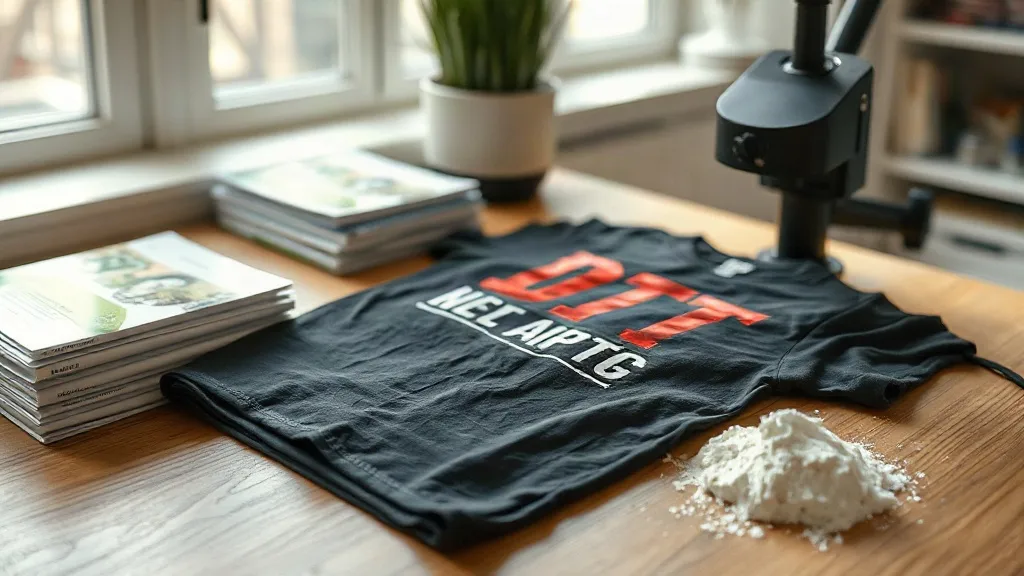
If you've been exploring custom apparel printing, you've likely come across dtf transfers. This method has quickly gained popularity for its versatility and vibrant results. Whether you're a small business owner, a hobbyist, or just curious about printing techniques, understanding DTF technology can open up a world of possibilities. In this guide, we'll walk you through the entire DTF process, from design to finished product, and share practical tips to help you achieve professional-quality prints at home or in your shop.
What Are DTF Transfers?
DTF stands for Direct-to-Film. It's a printing method where your design is printed onto a special film, coated with adhesive powder, and then heat-pressed onto fabric. Unlike DTG (Direct-to-Garment) printing, which requires a specialized printer to print directly onto the garment, dtf transfers can be applied to a wide range of materials, including cotton, polyester, blends, and even some non-fabric items like canvas bags and hats. The process is relatively simple: print, powder, cure, and press. The result is a durable, stretchable print with excellent color vibrancy.
Why Choose DTF Transfers?
There are several reasons why DTF transfers have become a favorite among crafters and professionals alike. First, they offer incredible versatility. You can apply them to almost any fabric, and they work especially well on dark and light colors. Second, DTF prints are highly durable. When applied correctly, they withstand repeated washing without cracking or fading. Third, the setup cost is lower than investing in a DTG printer, making it accessible for small businesses and home studios. Finally, DTF transfers allow for intricate designs with fine details and gradients, which can be challenging with other methods like screen printing.
Versatility Across Fabrics
One of the biggest advantages of DTF is that it doesn't discriminate between fabric types. Cotton, polyester, silk, leather, and even wood can be decorated with DTF transfers. This flexibility means you can offer a wider range of products to your customers without switching equipment. For example, you can print a design on a cotton t-shirt, a polyester jersey, and a canvas tote bag all with the same DTF film and press.
Durability and Washability
DTF prints are known for their longevity. The ink is fused into the fabric fibers, creating a strong bond that resists cracking and peeling. When properly applied, a DTF transfer can last as long as the garment itself. To ensure maximum durability, it's important to follow the correct pressing parameters and care instructions. We'll cover those later in this article.
The DTF Printing Process Step by Step
Understanding the DTF process is key to getting great results. Here's a breakdown of each stage:
- Design Preparation: Start with a high-resolution image. DTF printers can handle detailed graphics, but for best results, ensure your design is at least 300 DPI. Remember to mirror your design horizontally before printing, as the film will be flipped when pressed.
- Printing: Using a DTF printer, the design is printed onto a special PET film. The printer lays down a layer of white ink first (for opacity on dark fabrics) followed by color inks.
- Powdering: While the ink is still wet, a hot-melt adhesive powder is applied evenly over the printed area. The excess powder is shaken off.
- Curing: The film is then heated to melt the powder, creating a solid adhesive layer. This can be done with a heat press or a dedicated curing oven.
- Pressing: Finally, the transfer is placed on the fabric and pressed with a heat press at the recommended temperature and pressure. Once cooled, the film is peeled away, leaving the design bonded to the fabric.
Choosing the Right DTF Supplies
Quality supplies are essential for professional results. When selecting DTF film, look for films designed specifically for DTF printing, as they have the right coating for ink adhesion and release. Inks should be compatible with your printer and offer good opacity and color vibrancy. The adhesive powder should be fine and consistent to ensure a smooth finish. It's also worth investing in a reliable heat press, as temperature and pressure consistency are critical.
Applications and Use Cases
DTF transfers are incredibly versatile and can be used for a wide range of applications. Here are some popular uses:
- Custom T-shirts: Perfect for personalized gifts, team uniforms, or merchandise.
- Hoodies and Sweatshirts: DTF works well on thick fabrics and provides a soft feel.
- Tote Bags: Canvas bags are a great canvas for DTF prints.
- Hats and Caps: DTF can be applied to curved surfaces with a little practice.
- Activewear: The stretchability of DTF prints makes them ideal for sportswear.
- Home Decor: Pillowcases, aprons, and even canvas shoes can be customized.
Tips for Flawless DTF Application
To achieve professional-looking results, follow these practical tips:
- Pre-press the garment: This removes moisture and wrinkles, ensuring a smooth surface for the transfer.
- Use the correct settings: Each heat press and DTF film may have specific recommendations. Typically, temperatures range from 300°F to 330°F (150°C to 165°C) for 10-15 seconds with medium to heavy pressure.
- Peel technique: DTF transfers can be peeled either hot or cold, depending on the film. Check the manufacturer's instructions. Cold peel often yields a matte finish, while hot peel can be slightly glossier.
- Post-press: After peeling, it's a good idea to press the design again for a few seconds with a protective sheet to ensure maximum adhesion.
- Care instructions: Wait 24 hours before washing, and wash inside out in cold water. Avoid bleach and tumble dry on low.
Finding DTF Transfers Near You
If you're looking to try DTF but don't want to invest in equipment, you can order custom transfers online or find local services. Searching for dtf transfers near me can help you locate a provider who can print and ship transfers directly to your door. Many online services offer fast turnaround and competitive pricing, making it easy to get started.
Common Mistakes to Avoid
Even with the best intentions, beginners often make mistakes that affect print quality. Here are some to watch out for:
- Insufficient pressure: Without enough pressure, the transfer won't adhere properly, leading to peeling.
- Wrong temperature: Too hot can scorch the fabric or melt the film; too cold results in poor adhesion.
- Not pre-pressing: Skipping this step can cause uneven transfers due to moisture or wrinkles.
- Peeling too early or too late: Follow the film's instructions for hot vs. cold peel.
- Using the wrong powder: Always use DTF-specific adhesive powder; craft glitter or other powders won't work.
Frequently Asked Questions
What is the difference between DTF and DTG printing?
DTF (Direct-to-Film) involves printing on a film, powdering, and pressing onto fabric, while DTG (Direct-to-Garment) prints directly onto the garment. DTF works on more fabric types and doesn't require pre-treatment, but DTG can be more efficient for large orders on cotton.
Can I use DTF transfers on 100% polyester?
Yes, DTF transfers work well on polyester and polyester blends. In fact, DTF is often preferred for polyester because it doesn't require the same pre-treatment as DTG and adheres well to synthetic fibers.
How long do DTF transfers last?
With proper application and care, DTF transfers can last for years without significant fading, cracking, or peeling. Washing inside out in cold water and avoiding high heat in the dryer will extend the life of the print.
Do I need a special printer for DTF?
Yes, DTF printing requires a printer that uses DTF ink and can print on film. However, if you don't want to invest in a printer, you can order pre-printed transfers from a service and apply them with a heat press.
Where can I buy DTF transfers?
You can purchase DTF transfers from online retailers and local print shops. Many companies offer custom transfers where you upload your design, choose the size, and receive the printed film ready to press. Searching for dtf transfers near me can help you find local options for faster turnaround.