
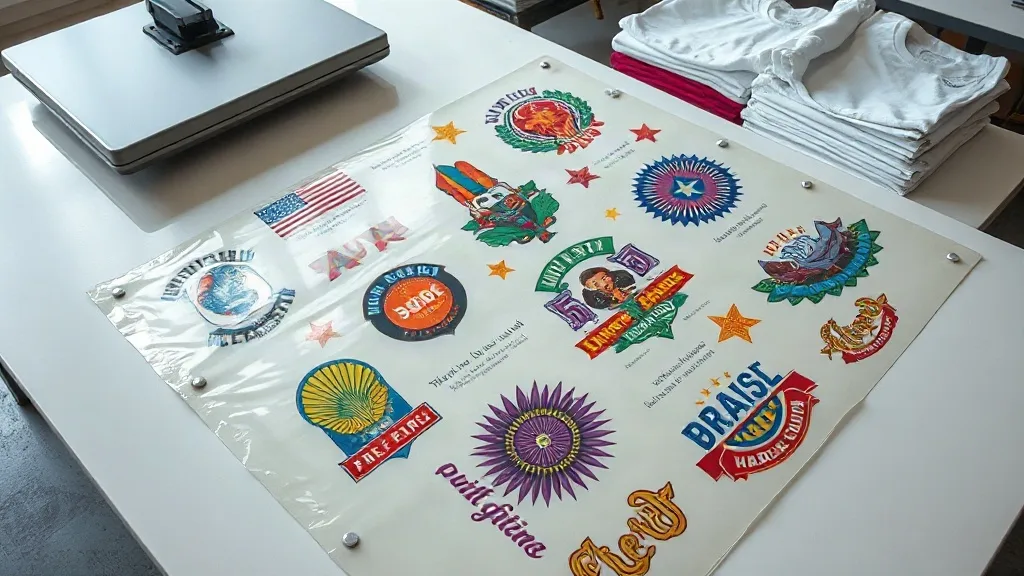
If you run a small print shop or an online clothing brand, you know that time and cost efficiency can make or break your business. Enter the DTF Gangsheet, a game-changing approach to direct-to-film printing that lets you produce multiple designs in one go, slashing labor and material waste. In this guide, we'll dive deep into what gangsheets are, why they're a smart choice for your workflow, and how to maximize their potential.
What Exactly Is a DTF Gangsheet?
A DTF gangsheet is a single sheet of transfer film that contains multiple printed designs, arranged efficiently to minimize wasted space. Instead of printing each design individually, you gang them up on one large sheet, hence the name. This method is particularly popular among apparel decorators who need to produce a variety of small to medium-sized transfers quickly and cost-effectively.
Unlike traditional screen printing, which requires separate screens for each color and design, DTF printing uses a digital process that deposits a layer of adhesive powder onto a film. The gangsheet approach takes full advantage of this digital flexibility, allowing you to mix and match designs, sizes, and even colors on a single sheet.
Why DTF Gangsheets Are a Smart Choice for Your Business
Whether you're a seasoned pro or just starting out, incorporating gangsheets into your production line can yield significant benefits. Here are the key advantages:
- Time Efficiency: Printing multiple designs at once reduces setup time and allows you to fulfill orders faster. No more switching out screens or reloading printers for each job.
- Cost Savings: By maximizing the use of film and powder, you cut down on material waste. Plus, labor costs decrease when you can produce more in a single run.
- Versatility: Gangsheets work with a wide range of fabrics, including cotton, polyester, blends, and even nylon. You can print on light and dark colors without needing separate processes.
- Consistency: Since all designs on a gangsheet go through the same printing and curing process, you get uniform quality across the board.
- Scalability: Easily scale up production for large orders or offer small batch customizations without prohibitive setup costs.
How to Design an Effective DTF Gangsheet
Creating a gangsheet that maximizes efficiency requires careful planning. Follow these steps to ensure your gangsheet is both cost-effective and high-quality.
1. Gather Your Designs and Determine Sizes
Start by collecting all the designs you need to print. Consider the size of each transfer and how many of each you need. If you're printing for a specific order, group similar sizes together to make the most of your sheet.
2. Use Gangsheet Builder Software
Many DTF suppliers offer online tools or software that automatically arrange your designs on a sheet to minimize waste. These tools often show you a preview and calculate the total length of film needed, so you can estimate costs accurately.
3. Mind the Gaps and Bleed
Leave a small gap (about 0.25 inches) between designs to prevent them from merging during printing and to make cutting easier. Also, ensure your designs have a slight bleed (extension beyond the trim line) to account for any minor shifts during cutting.
4. Consider the Fabric and Color
If you're printing on dark fabrics, you'll need a white ink layer under the colors. Most DTF printers handle this automatically, but it's something to keep in mind when designing. Also, test your designs on the actual fabric to ensure colors pop as expected.
5. Optimize for Cutting
Arrange designs in a way that makes cutting straightforward. Rectangular or square shapes are easier to cut than intricate outlines. If you have many small designs, group them together to streamline the cutting process.
Step-by-Step: Applying a DTF Gangsheet Transfer
Once your gangsheet is printed and powdered, applying the transfers is a breeze. Here's a quick rundown:
- Preheat your heat press to the recommended temperature (usually around 300°F to 320°F).
- Place your garment on the press and pre-press for a few seconds to remove moisture.
- Position the transfer on the garment with the printed side facing up.
- Press with medium pressure for 10-15 seconds.
- Peel the film while it's still hot (or cold, depending on the film type). Check your supplier's instructions.
- Post-press for a few seconds with a cover sheet to ensure the design is fully embedded.
Repeat for each transfer on the gangsheet. The process is quick, and you can batch several garments in no time.
Common Mistakes to Avoid with DTF Gangsheets
Even experienced printers can run into issues. Watch out for these pitfalls:
- Overcrowding: Placing designs too close together can cause them to bleed or make cutting difficult.
- Inconsistent pressure: Uneven pressure during transfer can lead to partial adhesion or a patchy look.
- Ignoring film specifications: Different films have different peel times (hot vs. cold). Always follow the manufacturer's guidelines.
- Using the wrong powder: Ensure you're using the correct adhesive powder for your film and fabric type.
- Skipping a test press: Always do a test on a scrap piece of fabric to dial in your settings.
Maximizing ROI: Tips for Using DTF Gangsheets in Your Business
To get the most out of your gangsheet printing, consider these strategies:
- Bundle orders: Group customer orders that use similar designs to fill a gangsheet efficiently.
- Offer small batch customization: Use gangsheets to provide affordable small runs for local teams, events, or businesses.
- Keep a library of stock designs: Pre-print popular designs on gangsheets so you can fulfill rush orders quickly.
- Track your costs: Calculate the cost per transfer on a gangsheet to ensure you're pricing profitably.
Frequently Asked Questions About DTF Gangsheets
What is the maximum size for a DTF gangsheet?
Most DTF printers can handle film widths up to 13 inches or 24 inches, with the length limited by the printer's capabilities and your software. Common gangsheet lengths range from 12 inches to several feet, depending on your needs.
Can I mix different designs and sizes on one gangsheet?
Absolutely. That's the whole point of a gangsheet. You can combine various designs, sizes, and even colors, as long as they fit within the sheet dimensions and you leave enough space between them for cutting.
How do I calculate the cost of a DTF gangsheet?
Cost depends on the total length of film used, the amount of ink and powder consumed, and your printer's operating costs. Most suppliers charge by the linear inch or foot. Use a gangsheet builder tool to estimate the length and thus the cost.
Do I need special equipment to use DTF gangsheets?
You'll need a DTF printer, a heat press, and a powder shaker (if not using pre-powdered film). Some suppliers offer printed and powdered gangsheets ready to press, which eliminates the need for a printer.
How long do DTF transfers last on garments?
When applied correctly, DTF transfers are highly durable and can withstand dozens of washes. Proper care (washing inside out, avoiding high heat) extends their life.
Final Thoughts
DTF gangsheets are a powerful tool for any apparel decorator looking to streamline production, reduce costs, and offer versatile customization. By understanding how to design and apply them effectively, you can unlock new levels of efficiency and profitability. Whether you're a small startup or an established shop, integrating gangsheets into your workflow is a smart move. Ready to give it a try? Explore the options at dtfquickly.com and see how gangsheets can transform your business.