
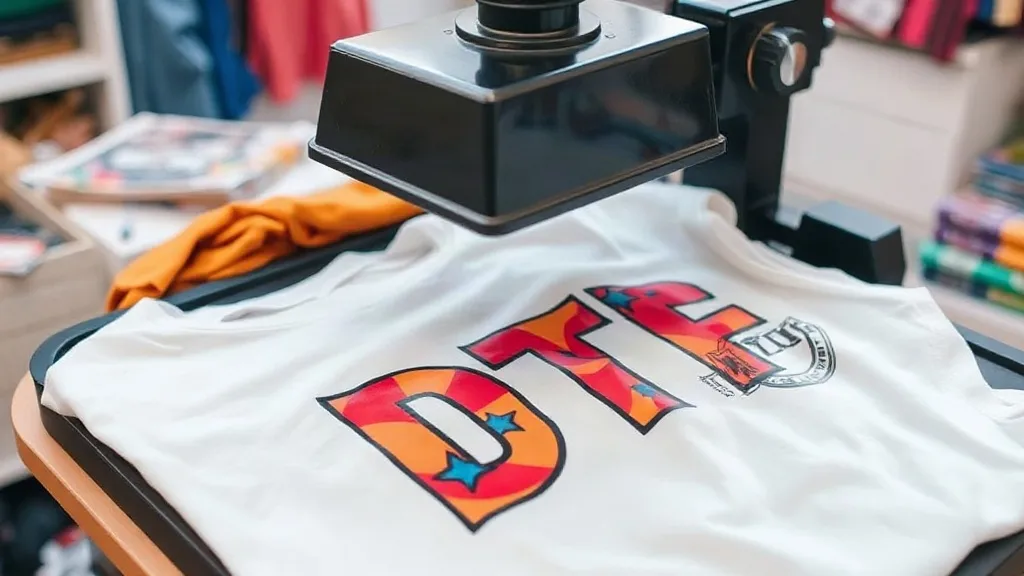
If you've been exploring custom apparel printing, you've likely come across the term dtf transfers. This technology has rapidly gained popularity among hobbyists and professionals alike for its ability to produce vibrant, durable prints on a wide range of fabrics. Whether you're running a small print shop or just starting out, understanding DTF transfers can open up new creative possibilities.
What Are DTF Transfers?
DTF stands for Direct-to-Film. It's a printing method where your design is printed onto a special film, then coated with a powder adhesive and heat-pressed onto fabric. Unlike DTG (Direct-to-Garment) printing, which requires specially treated shirts, dtf transfers work on almost any fabric, including cotton, polyester, blends, and even nylon. This versatility makes it a favorite for printing on t-shirts, hoodies, bags, and more.
The DTF Printing Process
The process involves several steps: designing your artwork, printing it onto the film using a DTF printer, applying adhesive powder, and finally heat-pressing the film onto the fabric. The result is a soft, stretchable print that bonds well and withstands repeated washing. Because the film is flexible, it conforms to the fabric's texture, giving a professional finish without the stiffness of some other methods.
Why Choose DTF Transfers?
There are several compelling reasons to consider DTF transfers for your printing projects. Here are the key benefits:
- Fabric versatility: Works on cotton, polyester, blends, and even treated nylon.
- Vibrant colors: Produces bright, detailed prints with excellent color accuracy.
- Durability: Prints resist cracking, peeling, and fading, even after multiple washes.
- No pre-treatment: Unlike DTG, DTF doesn't require pre-treating the fabric, saving time and effort.
- Cost-effective for small batches: Ideal for one-off designs or small runs, with no minimum order quantity.
These advantages make DTF transfers a smart choice for businesses looking to offer custom apparel without investing in expensive equipment or complicated processes.
Getting Started with DTF Transfers
Ready to dive into DTF printing? Here's what you need to know to get started.
Equipment and Supplies
To begin, you'll need a DTF printer, DTF film, adhesive powder, and a heat press. While the initial investment might seem significant, the payoff comes in the form of high-quality prints and the ability to take on a variety of jobs. If you're not ready to commit to a printer, you can also purchase pre-printed dtf transfers from suppliers and apply them yourself with just a heat press.
Design Considerations
When creating designs for DTF, keep in mind that fine details and gradients reproduce beautifully. However, avoid designs with very thin lines that might not adhere well. Also, ensure your artwork is high resolution to avoid pixelation. Most DTF printers require a minimum of 300 DPI for optimal results.
Application Tips
Applying DTF transfers is straightforward but requires attention to detail. Preheat your heat press to the recommended temperature (usually around 320°F to 340°F). Place the transfer on the fabric, cover with a protective sheet, and press for 10-15 seconds with medium pressure. Peel the film while it's still warm for a smooth finish. Always test on a scrap piece first to dial in your settings.
Finding DTF Transfers Near You
If you're looking to buy pre-made transfers or need custom prints, searching for dtf transfers near me can help you locate local suppliers. Supporting local businesses often means faster turnaround times and the ability to discuss your project in person. Many print shops now offer DTF services, so you can get professional-quality transfers without investing in equipment.
Common Mistakes to Avoid
Even with a straightforward process, beginners often encounter issues. Here are some pitfalls to watch out for:
- Insufficient pressure: Uneven pressure can cause poor adhesion. Make sure your heat press applies consistent pressure across the entire transfer.
- Wrong temperature: Too hot or too cold can affect the bond. Always follow the supplier's recommendations.
- Peeling at the wrong time: Peeling too early or too late can ruin the finish. Practice on scraps to find the sweet spot.
- Ignoring fabric type: While DTF works on many fabrics, some may require adjusted settings. Test first.
By avoiding these mistakes, you'll achieve professional results consistently.
DTF vs. Other Printing Methods
How does DTF stack up against other popular printing techniques? Here's a quick comparison:
- DTG: Requires pre-treatment, best for 100% cotton, softer feel but less durable on blends.
- Screen printing: Cost-effective for large orders, but setup costs are high for small batches.
- Vinyl: Good for simple designs, but limited in color and detail.
- Sublimation: Only works on polyester and light-colored fabrics.
DTF stands out for its versatility and ability to produce complex, colorful designs on almost any fabric without pre-treatment.
Frequently Asked Questions
What fabrics can I use with DTF transfers?
DTF transfers work on a wide range of fabrics, including cotton, polyester, blends, nylon, and even leather. They are not recommended for fabrics with special coatings or those that cannot withstand heat.
How long do DTF prints last?
With proper application and care, DTF prints can last as long as the garment itself. They resist cracking and fading, and can withstand dozens of washes.
Do I need a special printer for DTF?
Yes, DTF printing requires a dedicated DTF printer that uses pigment inks and prints onto film. However, you can also buy pre-printed transfers from suppliers and apply them with a heat press.
Can I use DTF on dark shirts?
Absolutely. DTF prints are opaque and show up vibrantly on both light and dark fabrics, including black and navy.
Where can I find DTF transfers near me?
Search online for local print shops or suppliers that offer DTF transfers. You can also check with specialty printing stores or online marketplaces that cater to your area.
DTF transfers have revolutionized the custom apparel industry by making high-quality, durable printing accessible to everyone. Whether you're a small business owner or a DIY enthusiast, this technology offers a cost-effective way to bring your designs to life on a variety of fabrics. With the right knowledge and tools, you'll be creating professional-grade prints in no time.