
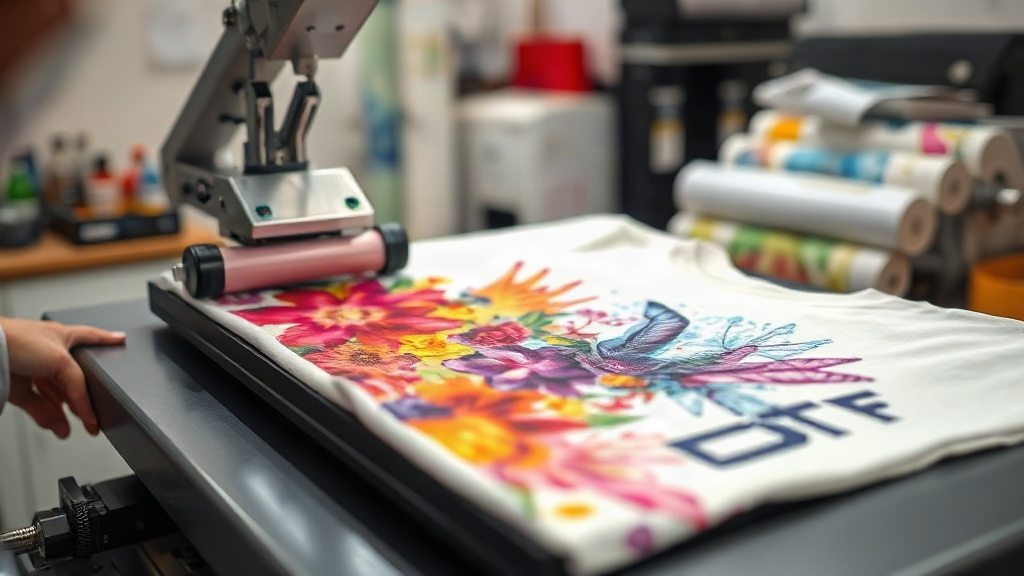
If you're in the custom apparel business, you've likely heard about DTF transfers. This innovative printing method is changing how small shops and large manufacturers approach fabric decoration. Unlike traditional techniques, DTF transfers offer unmatched versatility and durability, making them a go-to choice for vibrant designs on various fabrics. In this guide, we'll dive deep into what DTF transfers are, how they work, and why they might be the perfect solution for your next project.
What Are DTF Transfers?
DTF transfers stand for Direct-to-Film transfers. It's a printing process where your design is printed onto a special film, then coated with a adhesive powder, and finally heat-pressed onto the fabric. This method eliminates the need for cutting or weeding, streamlining production. The result is a soft, stretchable print that adheres well to cotton, polyester, and blends. Whether you're printing intricate logos or full-color photos, DTF transfers handle details with impressive clarity.
How DTF Transfers Work: Step by Step
Understanding the DTF process helps you appreciate its efficiency. Here's a breakdown of the key steps:
- Design Preparation: Your artwork is prepared digitally, ensuring it's mirrored and sized correctly.
- Printing: A specialized DTF printer prints the design onto a PET film using CMYK and white inks.
- Powder Application: While the ink is wet, a hot-melt adhesive powder is applied evenly over the design.
- Curing: The film passes through a heat source to melt the powder, creating a dry, tacky surface.
- Transfer: The film is placed on the fabric and heat-pressed, transferring the design permanently.
Each step is crucial for a flawless transfer. The beauty of DTF is its simplicity: no weeding, no masking, just consistent results.
Why Choose DTF Transfers Over Other Methods?
With so many printing options available, DTF transfers stand out for several reasons. Let's compare them to traditional methods like screen printing and vinyl.
Versatility Across Fabrics
DTF transfers work on a wide range of materials, including cotton, polyester, nylon, and even leather. This flexibility is a game-changer for shops that handle diverse orders. Screen printing, for instance, requires different inks for different fabrics, while DTF uses the same process regardless of material.
No Color Limitations
Unlike vinyl cutting, which limits you to solid colors, DTF transfers can reproduce full-color images with gradients and fine details. This opens up creative possibilities for complex designs without extra cost.
Durability and Washability
When applied correctly, DTF transfers are incredibly durable. They resist cracking, peeling, and fading even after multiple washes. This longevity makes them ideal for items that see heavy use, like sports jerseys and workwear.
Cost-Effectiveness for Small Runs
For small batches, DTF transfers are more economical than screen printing, which requires setup fees per color. There's no minimum order, so you can produce one-off items without breaking the bank.
Applications of DTF Transfers
The versatility of DTF transfers makes them suitable for a myriad of applications. Here are some popular uses:
- Custom T-shirts: Perfect for personalized gifts, team uniforms, and promotional apparel.
- Activewear: The stretchable nature of DTF prints moves with the fabric, ideal for leggings and sports bras.
- Bags and Accessories: Add logos to tote bags, backpacks, and hats with ease.
- Home Decor: Personalize pillows, blankets, and even canvas shoes.
If you can heat-press it, you can likely apply a DTF transfer to it.
How to Apply DTF Transfers: A Step-by-Step Guide
Applying DTF transfers is straightforward, but following the right steps ensures a professional finish. Here's what you need to do:
- Preheat Your Heat Press: Set the temperature to around 300°F to 325°F (150°C to 160°C).
- Position the Transfer: Place the DTF film on the fabric with the design facing up.
- Press: Apply medium to firm pressure for 10-15 seconds.
- Peel: Wait a few seconds for the transfer to cool slightly, then peel the film off in a smooth, consistent motion. For a matte finish, peel while hot; for glossy, peel when cold.
- Post-Press (Optional): For extra durability, cover with a Teflon sheet and press again for 5 seconds.
Always test on a scrap piece of fabric first to dial in your press settings.
Tips for Perfect DTF Transfers
To get the best results, keep these tips in mind:
- Choose Quality Film: Not all DTF films are created equal. Invest in reputable brands to avoid issues like ink smearing or poor adhesion.
- Control Moisture: Fabric should be dry before pressing. Moisture can cause the transfer to lift.
- Use Consistent Pressure: Uneven pressure leads to partial transfers. Ensure your heat press is calibrated.
- Store Properly: Keep unused transfers in a cool, dry place away from direct sunlight.
These small details make a big difference in the final product.
Common Mistakes to Avoid
Even seasoned pros can slip up. Watch out for these pitfalls:
- Over-pressing: Too much heat can burn the fabric or cause the transfer to become brittle.
- Insufficient Pressure: This results in incomplete transfer, especially around edges.
- Peeling Too Early or Too Late: Follow the film manufacturer's instructions for hot vs. cold peel.
- Ignoring Fabric Type: Some fabrics like nylon require lower temperatures. Always check compatibility.
Avoiding these mistakes will save you time and materials.
DTF Transfers vs. DTG and Screen Printing
How does DTF stack up against direct-to-garment (DTG) and screen printing? DTG is great for 100% cotton but struggles with polyester. Screen printing is cost-effective for large runs but lacks detail. DTF combines the best of both: it handles any fabric, produces high-detail prints, and is cost-effective for small to medium runs. It's no wonder DTF is gaining popularity.
Frequently Asked Questions About DTF Transfers
What fabrics can I use with DTF transfers?
DTF transfers work on almost any fabric, including cotton, polyester, blends, nylon, and leather. They are especially good for fabrics that are hard to print with other methods.
How long do DTF transfers last?
With proper application and care, DTF transfers can last as long as the garment itself. They resist cracking and fading through many wash cycles.
Can I stretch DTF transfers?
Yes, DTF transfers are stretchable, making them ideal for activewear and fabrics that need to move with the body.
Do I need a special printer for DTF transfers?
Yes, you need a DTF printer that uses DTF inks and film. However, if you don't want to invest in equipment, you can order pre-printed DTF transfers from companies like DTF Quickly.
How do I wash garments with DTF transfers?
Turn the garment inside out and wash in cold water. Avoid bleach and fabric softeners. Tumble dry low or hang dry. Do not iron directly on the transfer.
DTF transfers are revolutionizing custom apparel by offering flexibility, durability, and vibrant results. Whether you're a hobbyist or a business owner, incorporating DTF into your workflow can expand your offerings and delight your customers. Give it a try and see the difference for yourself.