
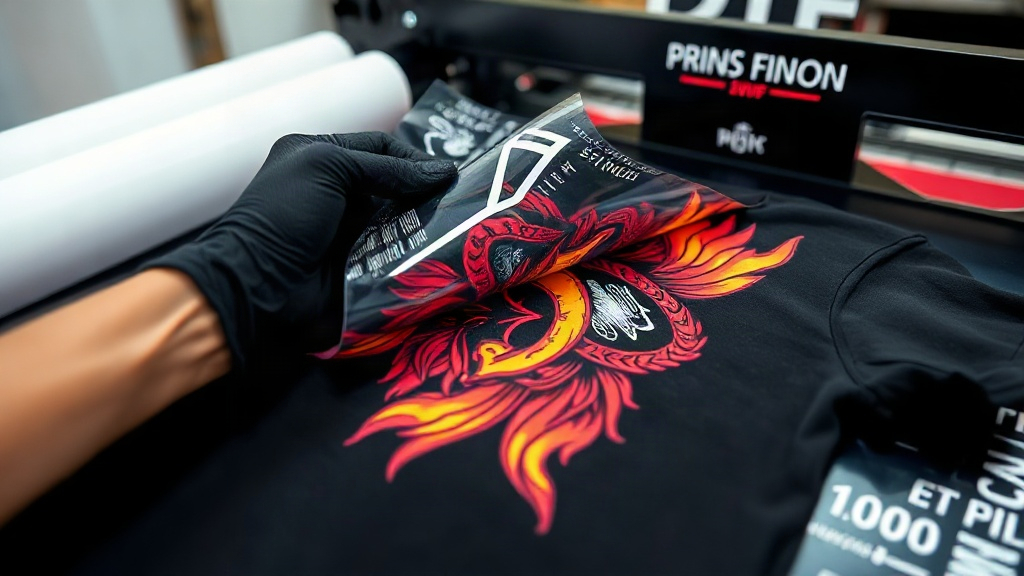
If you're in the custom apparel business, you've likely heard about DTF Transfers. This innovative printing method is taking the industry by storm, offering unparalleled versatility and vibrant results. But what exactly are DTF transfers, and why should you consider them for your next project? In this comprehensive guide, we'll dive deep into the world of DTF transfers, covering everything from the basics to advanced tips. Whether you're a seasoned pro or just starting out, you'll find valuable insights to elevate your printing game.
What Are DTF Transfers?
DTF stands for Direct to Film. It's a printing technology where your design is printed onto a special PET film using specialized inks, then coated with a hot-melt adhesive powder. Once the powder is cured, the transfer is ready to be applied to fabric using a heat press. Unlike DTG (Direct to Garment) or screen printing, DTF transfers can be used on a wide range of materials, including cotton, polyester, blends, and even leather. This flexibility makes DTF Transfers a favorite among printers who need to handle diverse orders.
Why Choose DTF Transfers?
There are several compelling reasons to choose DTF Transfers over other printing methods. Let's explore the key benefits:
- Versatility: Works on virtually any fabric, including dark and light colors, without the need for pre-treatment.
- Durability: Prints are resistant to cracking, peeling, and fading, even after multiple washes.
- Vibrancy: Offers bright, opaque colors and fine details, making it ideal for complex designs.
- Cost-effective: Low setup costs and minimal waste, perfect for small to medium-sized runs.
- Speed: Quick production times, especially for small batches and one-offs.
These advantages make DTF Transfers a go-to solution for custom t-shirts, hoodies, tote bags, and more.
How DTF Transfers Work: A Step-by-Step Guide
Understanding the DTF process is crucial for achieving professional results. Here's a breakdown of the steps involved:
- Design Preparation: Create your artwork in a graphics program, ensuring it's mirrored and sized appropriately. Use CMYK color mode for accurate colors.
- Printing: Load the PET film into your DTF printer. The printer lays down a layer of white ink (for opacity) followed by CMYK inks. Some printers have a separate channel for white ink, while others use a single printhead.
- Powder Application: While the ink is still wet, apply hot-melt adhesive powder evenly over the printed area. Shake off excess powder.
- Curing: Place the film in a curing oven or under a heat source to melt the powder. This creates a dry, non-tacky surface.
- Transfer: Set your heat press to the recommended temperature (usually 300-325°F) and pressure. Place the transfer on the fabric and press for 10-15 seconds. Peel the film off while hot or cold, depending on the film type.
Each step requires attention to detail, but with practice, you'll master the process.
Choosing the Right Equipment and Supplies
To get started with DTF Transfers, you'll need the right tools. Here's what to look for:
- DTF Printer: Options range from converted Epson printers to dedicated DTF machines. Consider print width, ink system, and maintenance requirements.
- Inks: Use high-quality DTF inks that are compatible with your printer. Pigment-based inks are standard.
- Film: Choose double-sided matte PET film designed for DTF. Thickness affects ink absorption and transfer quality.
- Powder: Adhesive powder comes in different particle sizes. Fine powder is better for detailed designs.
- Heat Press: A reliable heat press with accurate temperature and pressure control is essential.
Investing in quality supplies will save you headaches and ensure consistent results.
Tips for Perfect DTF Transfers
Even with the right equipment, achieving flawless DTF Transfers requires skill. Here are some expert tips:
- Control Humidity: High humidity can cause powder to clump. Work in a dry environment or use a dehumidifier.
- Preheat Fabric: Remove moisture from the garment before pressing to improve adhesion.
- Test Press: Always do a test press on a scrap piece of fabric to dial in your settings.
- Proper Peeling: Follow the film manufacturer's instructions for hot or cold peel. Peeling too early or too late can ruin the transfer.
- Post-Press: After peeling, press the transfer again for a few seconds with a Teflon sheet to enhance durability.
These small adjustments can make a big difference in the final product.
Common Mistakes to Avoid
Newcomers to DTF Transfers often encounter pitfalls. Avoid these common mistakes:
- Using Too Much Powder: Excess powder leads to a rough feel and can clog the printer. Aim for a light, even coating.
- Incorrect Curing: Under-curing causes the transfer to peel; over-curing makes it brittle. Use a temperature gun to verify.
- Wrong Pressure: Too little pressure results in poor adhesion; too much can cause ink to spread. Adjust your heat press accordingly.
- Ignoring Fabric Type: Some fabrics require different settings. Always test first.
By steering clear of these errors, you'll produce professional-grade transfers consistently.
DTF Transfers vs. Other Printing Methods
How do DTF Transfers stack up against DTG, screen printing, and vinyl? Here's a quick comparison:
- DTG: Best for 100% cotton, but requires pre-treatment and can be less durable on dark colors. DTF excels on poly blends and dark fabrics.
- Screen Printing: Cost-effective for large runs but expensive for small batches. DTF is ideal for short runs and complex designs.
- Vinyl: Limited to simple designs and solid colors. DTF handles full-color, photographic images.
While each method has its place, DTF Transfers offer a unique blend of versatility and quality.
Applications of DTF Transfers
Beyond t-shirts, DTF Transfers can be applied to:
- Hoodies and sweatshirts
- Tote bags
- Canvas shoes
- Denim jackets
- Sportswear
- Home textiles like pillowcases
The possibilities are nearly endless, limited only by your creativity.
Frequently Asked Questions
What fabrics can I use with DTF transfers?
DTF transfers work on a wide range of fabrics, including cotton, polyester, blends, leather, and even some synthetics. They are particularly effective on dark and light colors alike, without the need for pre-treatment.
How durable are DTF transfers?
When applied correctly, DTF transfers are highly durable. They resist cracking, peeling, and fading, and can withstand dozens of washes. Proper curing and pressing are key to longevity.
Do I need a special printer for DTF transfers?
Yes, you need a DTF printer, which can be a dedicated machine or a converted Epson printer with DTF ink systems. These printers are designed to handle the white ink and film required for the process.
Can I use DTF transfers on 100% polyester?
Absolutely. DTF transfers adhere well to polyester and polyester blends, making them a great choice for sportswear and activewear. Just be mindful of the heat settings to avoid scorching.
How do I wash garments with DTF transfers?
Turn the garment inside out and machine wash in cold water. Avoid using bleach or fabric softener. Tumble dry on low or hang dry. Iron on the reverse side if needed, but avoid direct heat on the transfer.
With this guide, you're well-equipped to explore the world of DTF Transfers. Whether you're a hobbyist or a business owner, this technology can open up new opportunities for custom printing. Start experimenting, and watch your creations come to life with vibrant, durable designs.