
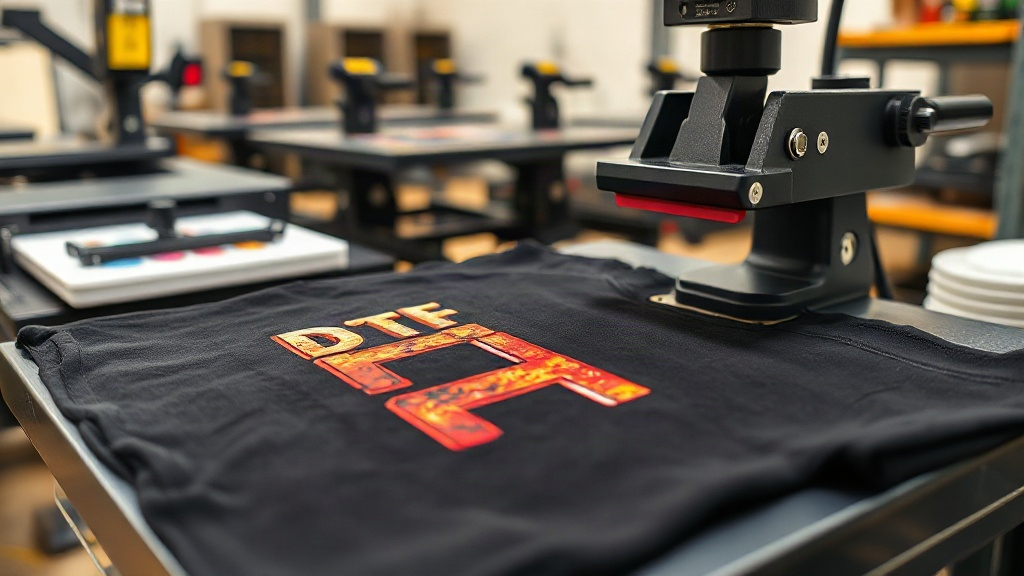
Imagine pressing a design onto a cotton t-shirt, a polyester jersey, or even a nylon jacket, and having it look like it was screen-printed right into the fabric. That's the promise of DTF transfers, a technology that has quickly become a favorite among custom apparel creators. Unlike traditional methods that require specific fabrics or minimum orders, DTF transfers open up a world of possibilities. Whether you're a small business owner, a hobbyist, or a professional printer, understanding DTF transfers can elevate your game. In this guide, we'll dive deep into what DTF transfers are, how they work, and why they might be the perfect solution for your next project.
What Are DTF Transfers?
DTF stands for Direct to Film. It's a printing method where your design is printed onto a special film, coated with a powder adhesive, and then heat-pressed onto the fabric. The result is a soft, flexible, and durable print that bonds permanently with the material. Unlike DTG (Direct to Garment) printing, which requires pre-treatment and works best on cotton, DTF transfers can be applied to a wide range of fabrics, including cotton, polyester, blends, and even leather. This versatility is a game-changer for anyone who works with diverse materials.
How DTF Transfers Work: A Step-by-Step Breakdown
Understanding the process helps you appreciate the magic behind DTF transfers. Here's a simplified overview:
- Design Preparation: Your artwork is prepared in a RIP software, which mirrors the image and separates colors for printing.
- Printing: A specialized DTF printer prints the design onto a PET film using CMYK and white inks. The white ink acts as a base, allowing the colors to pop on dark fabrics.
- Powdering: While the ink is still wet, a hot-melt adhesive powder is applied evenly over the print. Excess powder is shaken off.
- Curing: The film passes through a heat source (like a heat press or oven) to melt the powder, creating a dry, tacky surface.
- Transfer: The film is placed onto the fabric and heat-pressed. The adhesive bonds with the fabric, and after cooling, the film is peeled away, leaving the design behind.
Each step requires precision, but once mastered, the process is efficient and reliable.
Why Choose DTF Transfers Over Other Methods?
DTF transfers offer several advantages that set them apart from screen printing, DTG, and vinyl. Let's explore the key benefits.
Unmatched Versatility
One of the biggest draws is the ability to print on almost any fabric. Cotton, polyester, silk, denim, leather, and even nylon are fair game. This means you can offer custom designs on a wide range of products without investing in multiple printing techniques.
Vibrant Colors and Fine Details
DTF transfers produce high-resolution prints with incredible color vibrancy. The white ink base ensures that colors remain bright even on dark garments. Fine lines, gradients, and photographs come out sharp and true to the original design.
Durability and Washability
When applied correctly, DTF transfers are extremely durable. They withstand repeated washing without cracking, peeling, or fading. The adhesive bonds with the fabric fibers, so the print stretches and moves with the garment.
Cost-Effective for Small Batches
Unlike screen printing, which requires separate screens for each color and becomes cost-effective only at higher quantities, DTF transfers are economical for short runs. You can print one-offs or small batches without breaking the bank.
No Weeding or Cutting
With vinyl, you have to weed out the excess material, which is time-consuming and tedious. DTF transfers eliminate that step entirely. You print, powder, cure, and press. That's it.
Applications of DTF Transfers
DTF transfers are used in a variety of industries and applications. Here are some popular uses:
- Custom T-shirts: Perfect for personalized tees, team uniforms, and event merchandise.
- Sportswear: Ideal for jerseys, leggings, and activewear because the print stretches with the fabric.
- Corporate Apparel: Company logos and branding on polos, jackets, and hats.
- Fashion and Boutique Items: Small businesses use DTF transfers to create unique clothing lines.
- Promotional Products: Tote bags, aprons, and more.
Pro Tips for Perfect DTF Transfers
To get the best results, follow these expert recommendations.
Choose the Right Film and Powder
Not all DTF films and powders are created equal. Invest in quality supplies from reputable brands. The film should be compatible with your printer, and the powder should have a low melting point for efficient curing.
Master Your Heat Press Settings
Temperature, pressure, and time are critical. Typically, you'll press at 300-320°F (150-160°C) for 10-15 seconds with medium pressure. Always test with a scrap fabric first.
Pre-Press Your Garment
Moisture can ruin a transfer. Pre-press the garment for a few seconds to remove wrinkles and moisture.
Handle with Care
After pressing, let the transfer cool completely before peeling. For a matte finish, peel cold; for a glossier look, peel hot. Experiment to see what you prefer.
Store Transfers Properly
Keep unused transfers in a cool, dry place, away from direct sunlight. They can last for months if stored correctly.
Common Mistakes to Avoid
Even seasoned pros can slip up. Watch out for these pitfalls:
- Insufficient Pressure: Leads to poor adhesion and early peeling.
- Over-Curing: Can make the transfer brittle and cause cracking.
- Wrong Fabric: While DTF works on many fabrics, some very stretchy or heat-sensitive materials may require special handling.
- Dirty Platen: Residue can transfer onto your garment.
DTF Transfers vs. Other Printing Methods
How does DTF stack up against screen printing, DTG, and vinyl? Here's a quick comparison:
- Screen Printing: Better for large orders, but limited colors and fabrics. DTF wins for small batches and complex designs.
- DTG: Best on 100% cotton, requires pre-treatment, and can be less durable. DTF works on more fabrics and often outlasts DTG.
- Vinyl: Great for simple designs and numbers, but weeding is time-consuming and multi-color designs are labor-intensive. DTF handles full-color images with ease.
Frequently Asked Questions About DTF Transfers
How long do DTF transfers last?
With proper application and care, DTF transfers can last as long as the garment itself. They withstand 50+ washes without significant fading or cracking.
Can I use DTF transfers on dark colors?
Absolutely. The white ink base makes them ideal for dark fabrics, ensuring vibrant colors.
Do I need a special printer for DTF transfers?
Yes, you need a DTF printer that uses DTF inks and can handle PET film. However, you can also buy pre-printed transfers from suppliers.
What fabrics are not suitable for DTF transfers?
Fabrics with a very low melting point (like some nylons) or those with heavy waterproof coatings may not work well. Always test first.
How do I store DTF transfers?
Keep them in a cool, dry place, preferably in a sealed bag, away from sunlight and moisture.
DTF transfers are more than just a trend; they're a versatile and durable solution for custom apparel. With the right knowledge and tools, you can create stunning, long-lasting prints on almost any fabric. Whether you're just starting out or looking to expand your offerings, DTF transfers are worth exploring.